

In project conversations the same parameters keep coming up: DCI-P3, Rec.709, NTSC. They are not just rows in a specification table; they define how deep a visual experience can go. Understanding the vocabulary is what turns a client’s request for “more vivid, more real” into a specification that can be delivered.
The Foundation: CIE 1931
Every discussion of gamut starts from one reference. In 1931 the International Commission on Illumination established the CIE 1931 XYZ colour space, which for the first time described every colour the human eye can see in a precise mathematical model — a world map of colour, drawn as a horseshoe-shaped chromaticity diagram.
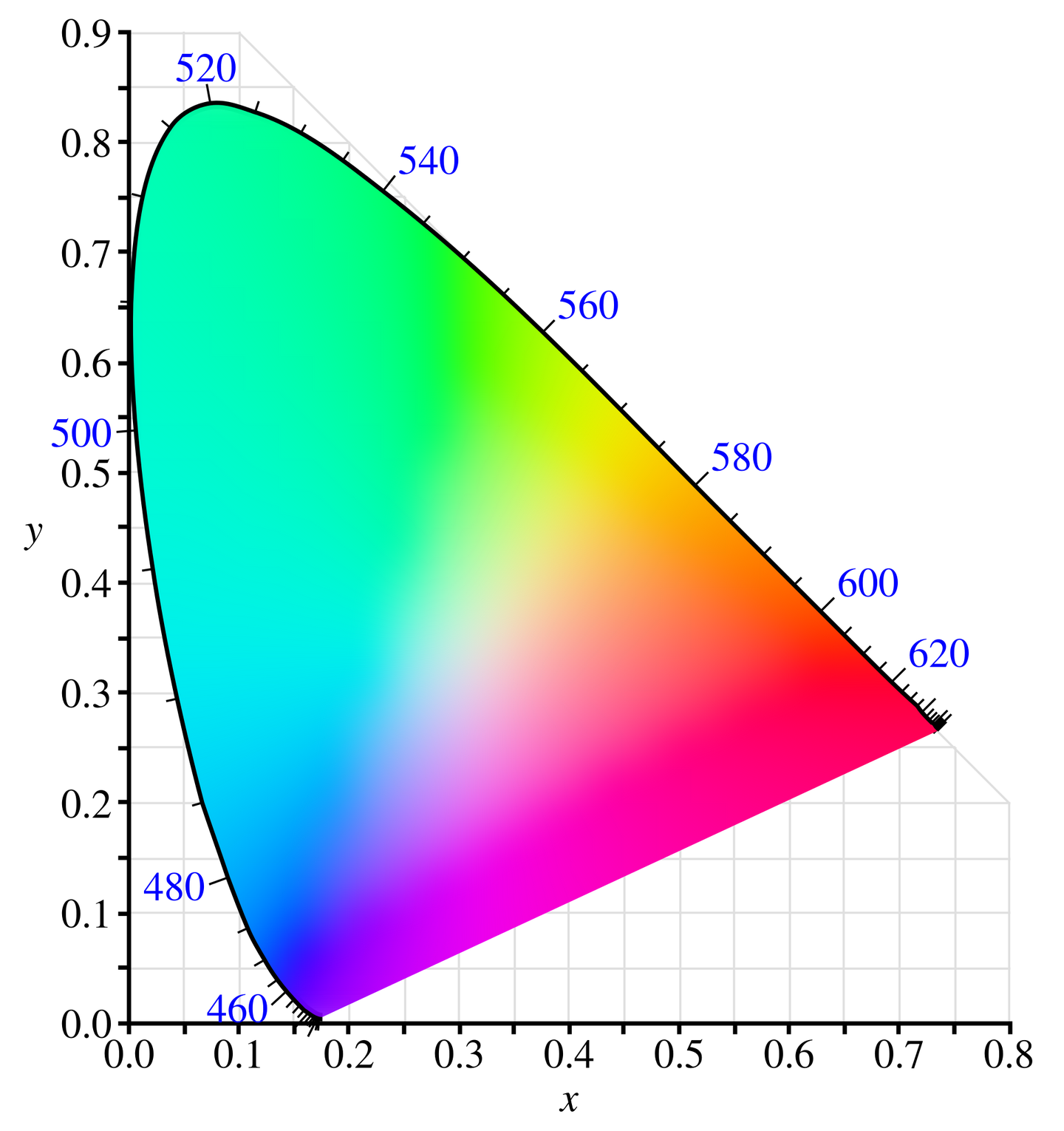
Every display technology since has been trying to enclose a larger area of that horseshoe. CIE 1931 is the absolute ruler against which colour capability is measured.
Gamut as Vocabulary
A useful analogy: gamut is the vocabulary of a language. A small vocabulary describes basic colours and the image looks thin. A large one renders richer, subtler gradations and the image feels full and convincing. For an LED display, the gamut standard defines how much of the colour space it can cover, and therefore how expressive it can be.
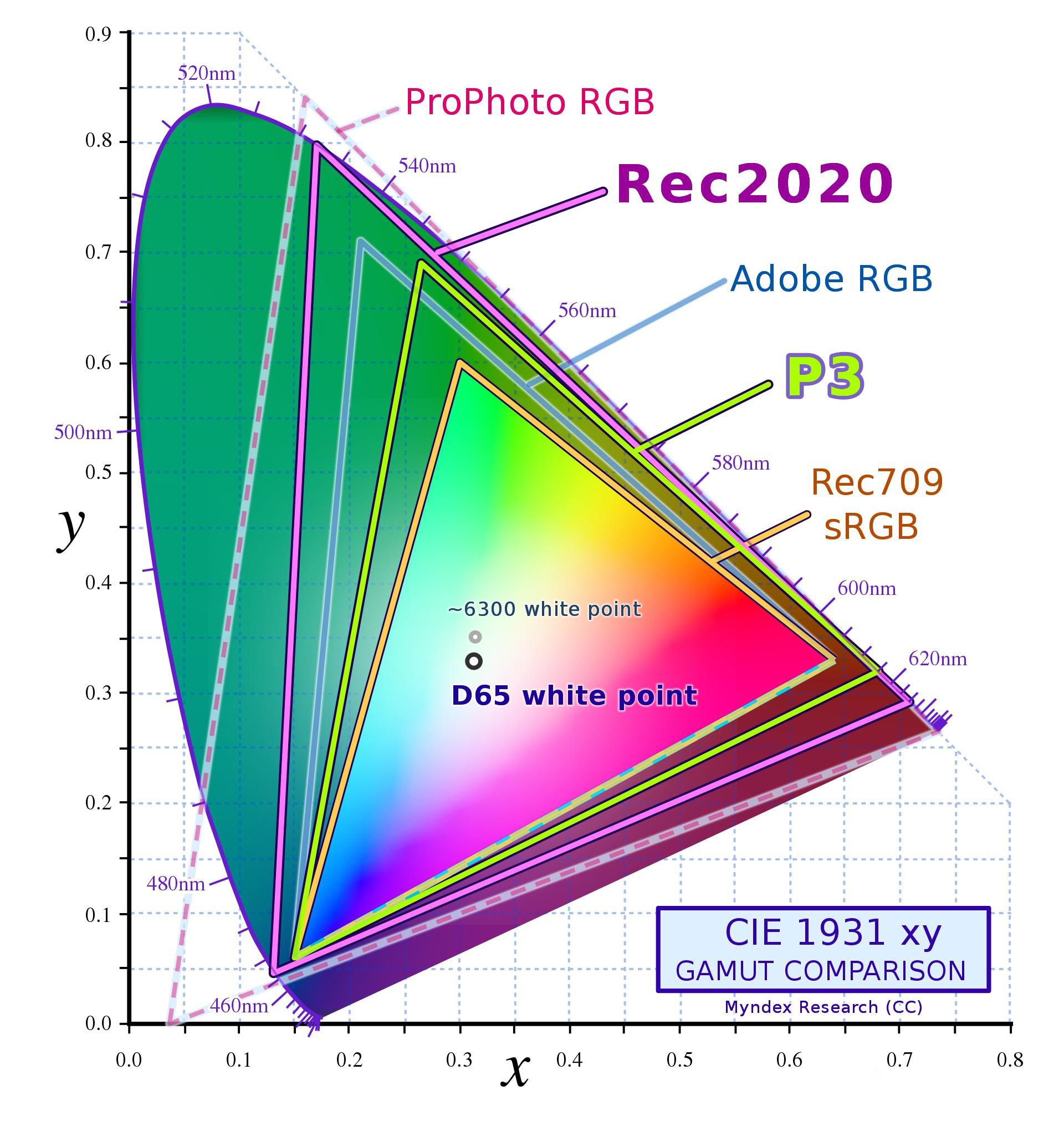
Where the Standards Came From
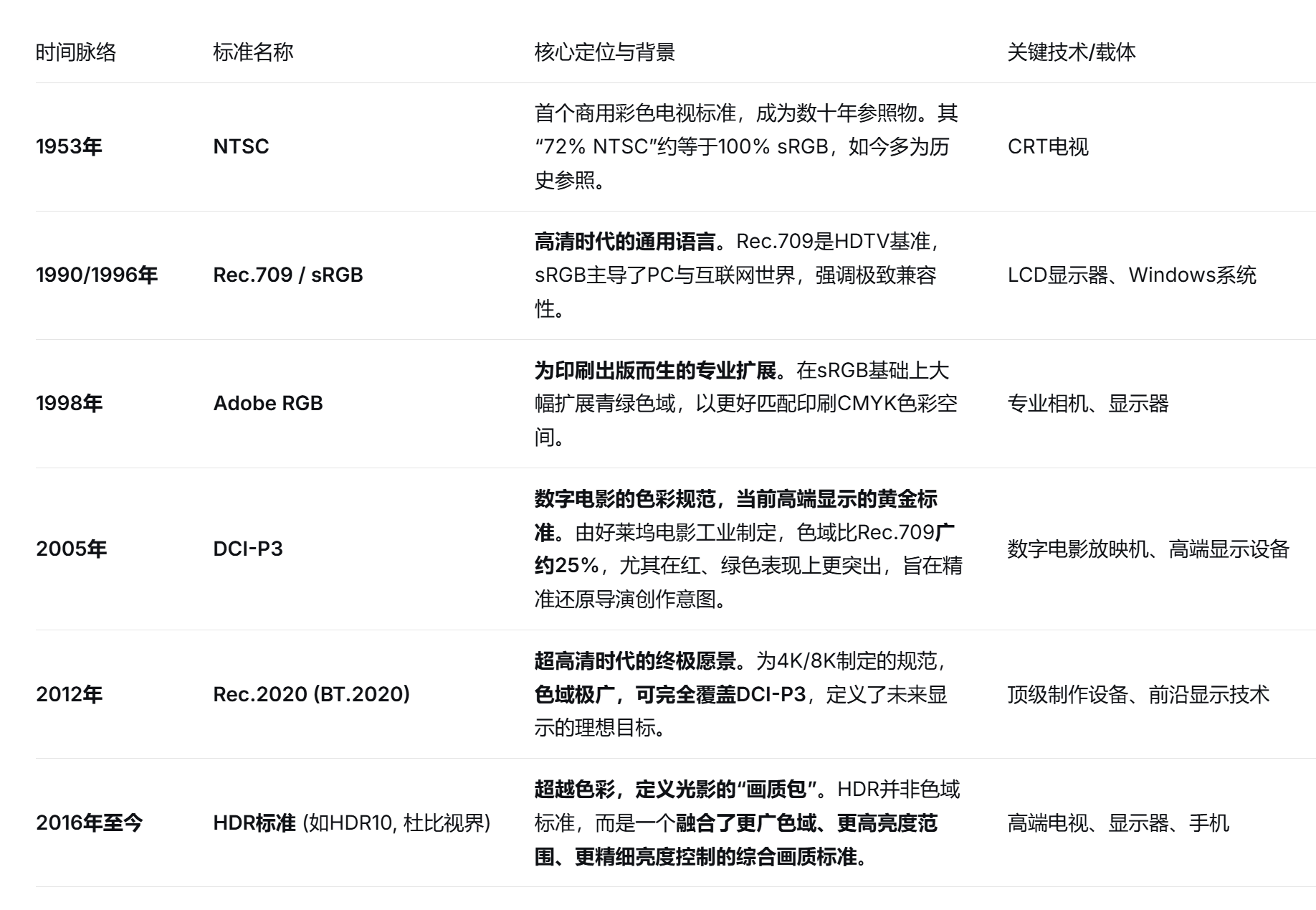
Most gamut standards were written for a specific industry, and as technology has advanced the boundaries between them have blurred.
Broadcast and content production. In the standard dynamic range era, BT.709 (identical to Rec.709) governed the whole chain from capture through post to transmission. In the ultra-high-definition and HDR era, BT.2020 (Rec.2020) became the target: shoot and finish wide, then convert for the playback device, with colour management tools holding consistency across the pipeline.
Digital cinema. DCI-P3 came out of Hollywood for projection, and has since crossed over. Flagship consumer devices — televisions, phones, tablets — now quote DCI-P3 coverage as a selling point, and for editors and colourists an accurate DCI-P3 display is what keeps an intent consistent from suite to screen.
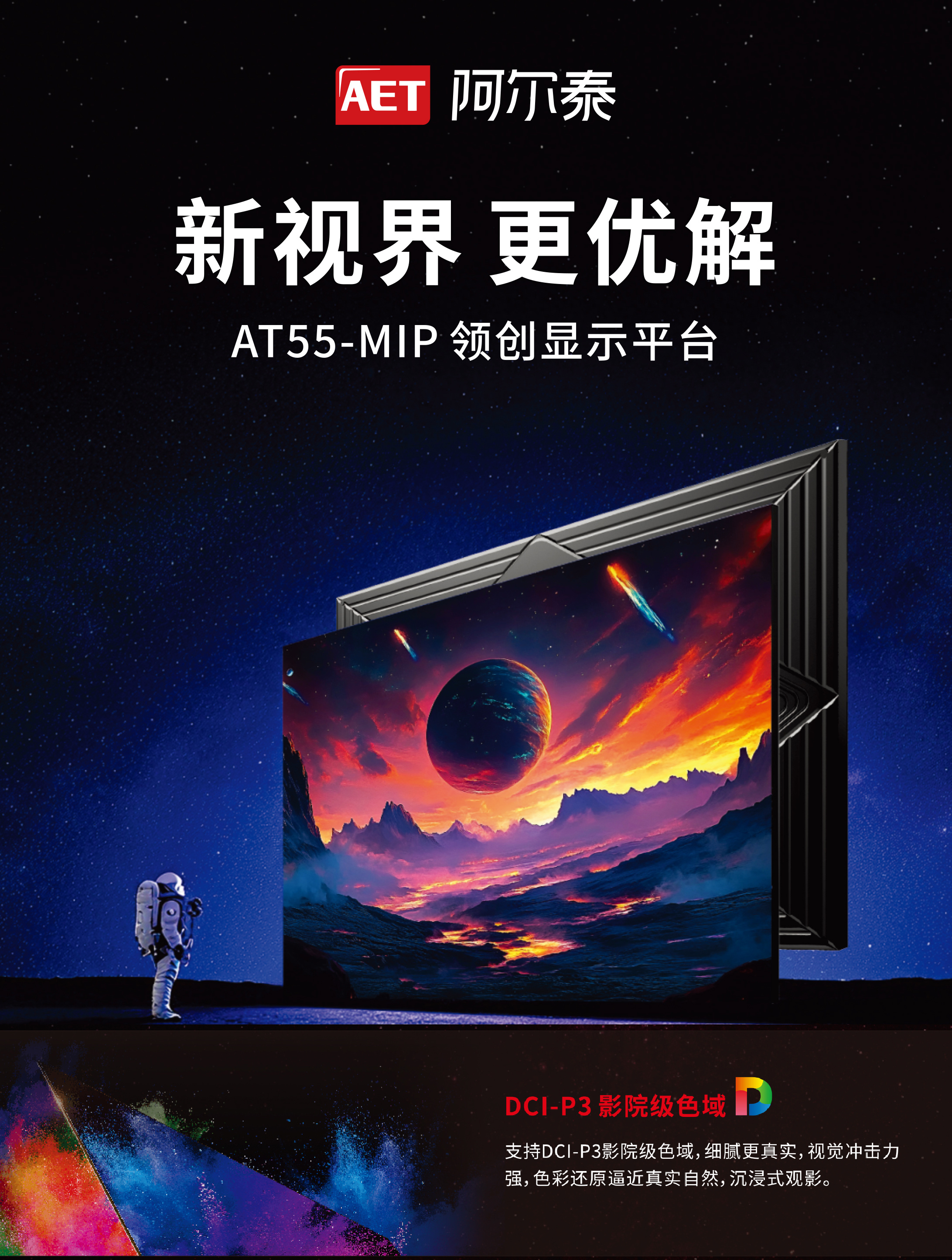
For LED display, DCI-P3 is the recognised high-end commercial benchmark. It balances technical feasibility, content availability and cost, which is why it is the first parameter quoted for premium command centres, brand showrooms and virtual production stages.
Colour Volume: Gamut and Brightness Together
Image quality is no longer only about the area of the triangle. It is about the integration of chromaticity, brightness and contrast, which is what colour volume describes: not a flat triangle but a solid that accounts for both hue range and luminance. HDR expands that volume substantially.
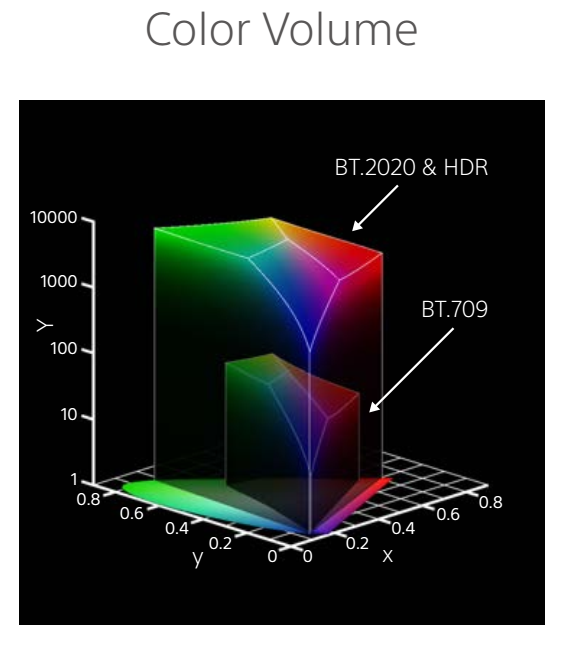
A genuine HDR project therefore needs both high brightness and contrast and a gamut reaching DCI-P3 or wider. The two are not alternatives.
New light sources push the limit further. Laser projection produces spectrally pure primaries that can theoretically exceed 100% of BT.2020. Mini LED backlights, through dense local dimming, raise contrast so colour reads clearer in highlights and purer in shadow.
Practical Guidance
One insight is worth carrying into every project: gamut without a scenario is meaningless. The professional question is which colour language fits this room.
Start with the source. Ask what content will be shown and whether 4K HDR film or product launches are planned; the requirement for DCI-P3 follows naturally from the answer.
Calibration matters more than coverage. An uncalibrated wide-gamut panel can be less accurate than a calibrated narrower one. AET calibrates every LED display to the standard, which is what makes the coverage claim meaningful.
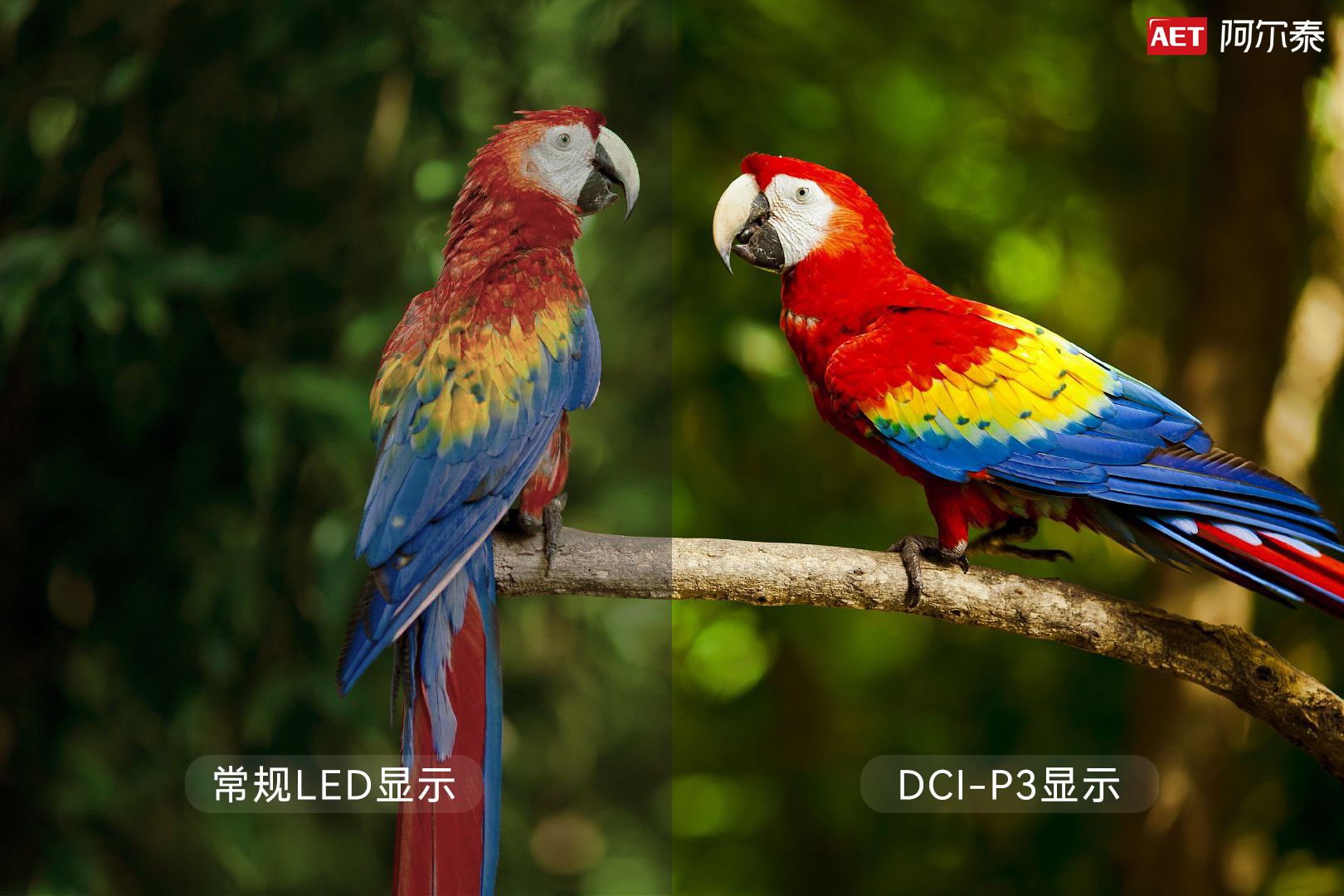
Then match the standard to the room. A command centre wants DCI-P3 precision for decision-making without colour bias. A meeting centre wants 100% sRGB for everyday office content alongside DCI-P3 for presentations. XR production needs a solution that matches the camera’s colour science so that what is captured is what was seen.
And treat gamut as one part of image quality: uniformity, contrast, brightness and accurate calibration all matter as much.
Colour Consulting for Your Project
AET supplies calibrated LED display and advises on content fit and colour workflow. Talk to the team before the specification is locked.
Related Articles & Insights
AET Opens Global Recruitment Across R&D, Sales and Service
AET has opened a global recruitment round covering display research, engineering, overseas sales and field service.
Five Extremes: How AET Plans to Grow
Minimalist architecture, frontier technology, visual quality, fine pitch and fast service: the five directions AET has organised i...