
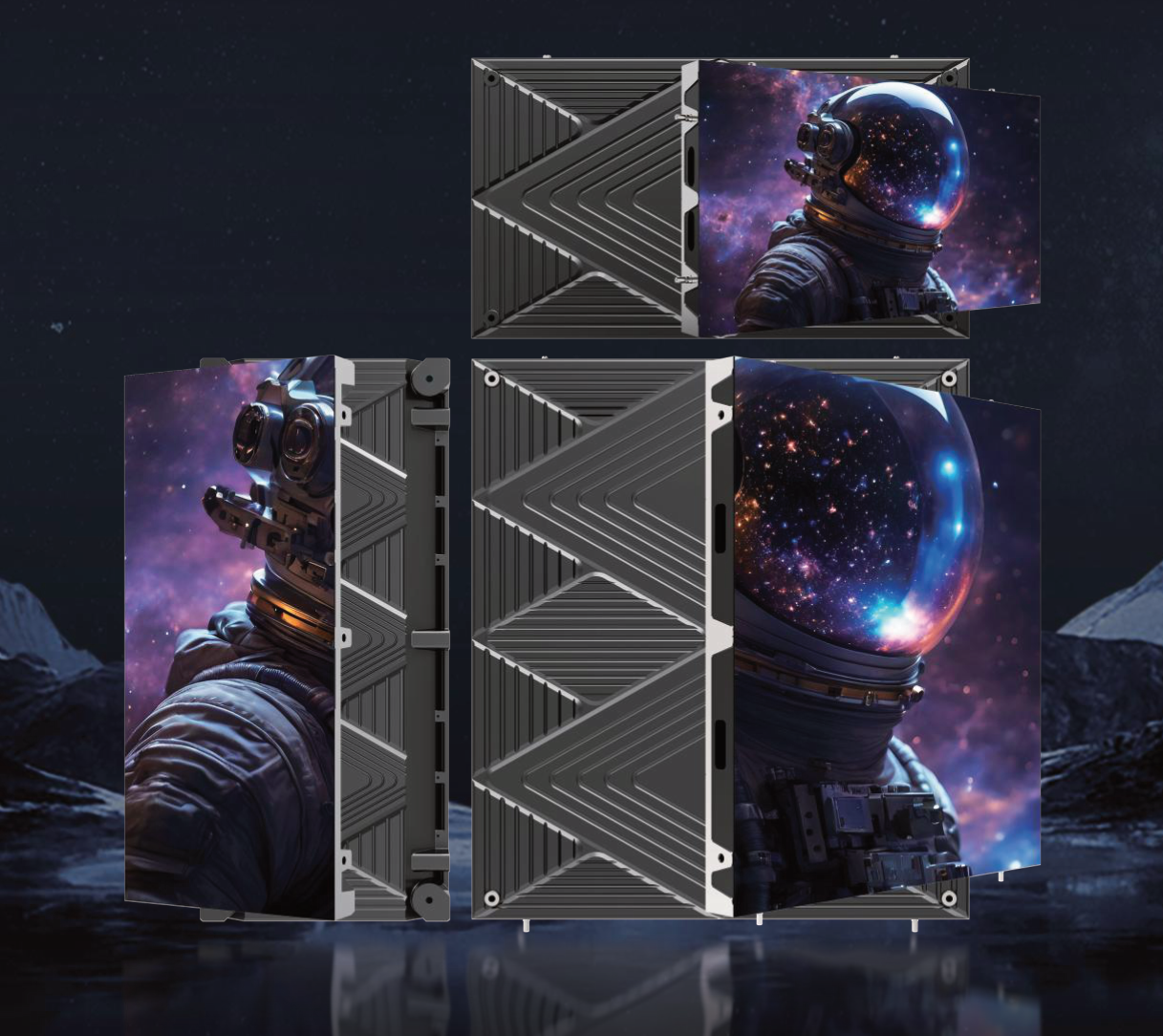

In a market where every brand is fighting for the same ground, a focused company has to keep finding new ways out. AET’s answer is to go further in five directions at once: minimalism, new technology, visual quality, fine pitch and fast service.
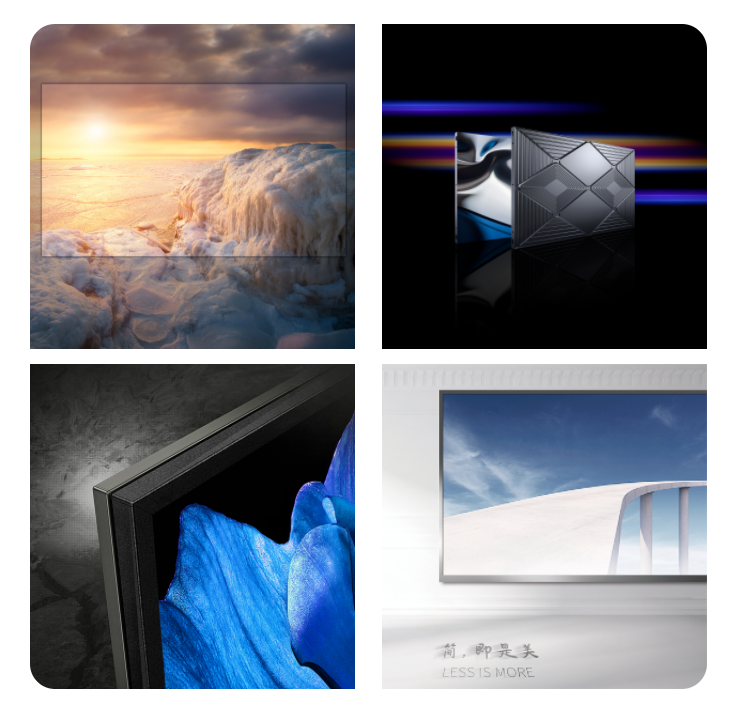
Minimalism: Standardise, Then Simplify
LED display has been getting thinner, more efficient, better looking and more intelligent, and each of those trends pulls in a different design direction. AET responds with standardisation rather than with more variants.
The company’s new-generation Mini and Micro LED standardised control architecture is intended to establish a common display architecture with shared technology and interfaces, so that materials and components are compatible across products and so that emitting devices, connection methods, transmission and display performance can be iterated on a common base.
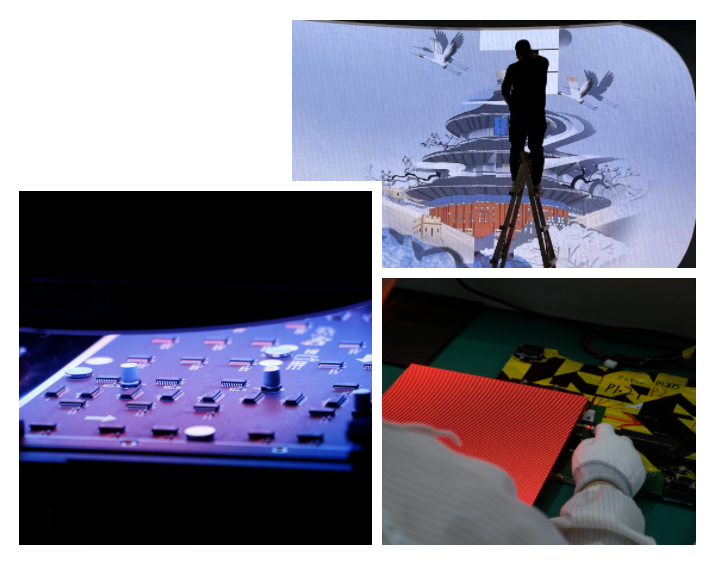
The programme is planned through six generations, with the fourth now in production. The first three established standard 1K and 2K unit resolutions that assemble into 2K, 4K, 8K and higher walls, and delivered the change in three dimensions: standard size, standard resolution and standard system architecture.
The measurable claims are in energy, failure rate and the difficulty of installation and maintenance. A standard architecture means a technician who has installed one wall can service another, and it means a spare part is a catalogue item rather than a special order.
New Technology: Own the Frontier
In information technology, a company only holds its position if it holds some of the frontier. As LED display has moved into more open applications, the requirements have become more specific: higher refresh, wider gamut, higher contrast, finer image detail, accurate depth, seamless assembly at any size, and higher protection.
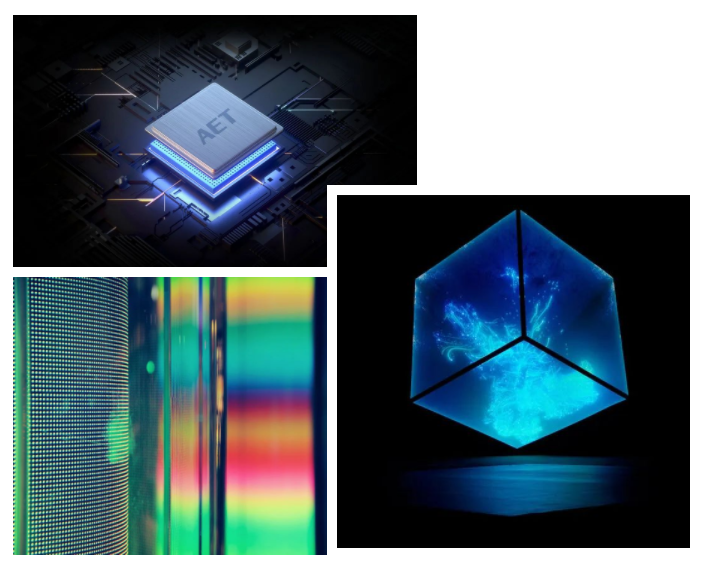
The clearest example is gallium nitride red emission. AET has demonstrated direct red emission from InGaN at 620 nm with an external quantum efficiency of 6.5%, and the programme target is 20%, which would exceed the efficiency of the aluminium gallium arsenide devices used today. If it reaches production, it changes what a nitride Micro LED is capable of.
Alongside it the company works on new emitting materials, new control ICs and control systems, and new integrated packaging processes — the three places where a display is actually made.
Visual Quality
The argument is that technical advantage only matters when it reaches a viewer. AET converts it into product characteristics: a viewing angle beyond 160 degrees, a gamut in the trillions of colours, more than 16-bit greyscale, 3,840 Hz refresh, a surface light source and reduced blue light.
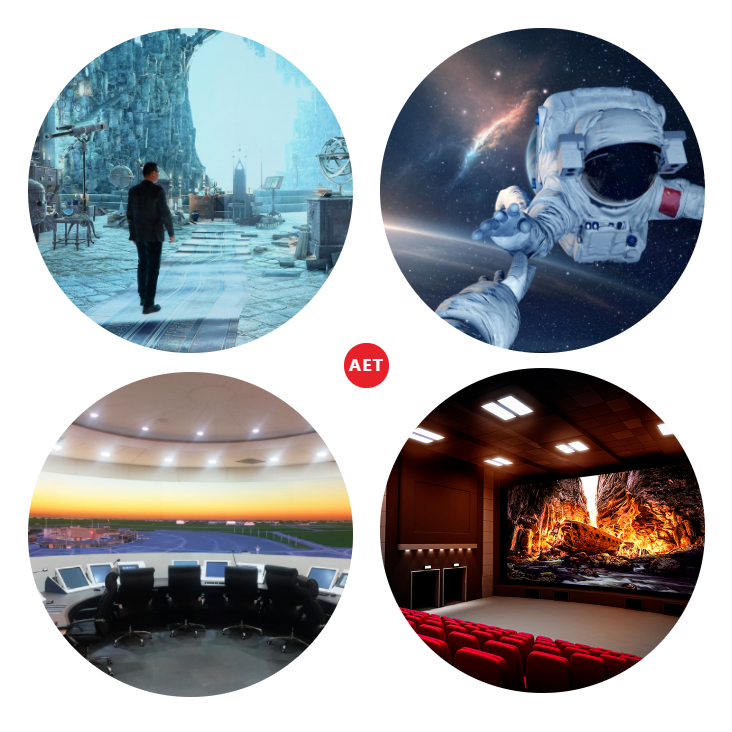
The reference list behind that claim runs from the CCTV Spring Festival Gala to satellite channel XR studios, from public security and judicial system upgrades to university digital platforms, from exhibition, roadshow and night-time economy work to commercial immersive spaces, and from naked-eye 3D landmarks to DCI-certified cinema screens.
Fine Pitch: Small Screens, Large Consequences
Digital technology has reached every sector from smart city and digital village to command and dispatch centres, and LED has become the default display for the work because it is unlimited in size, clarity, viewing angle and application.
AET’s record in the segment is a sequence of firsts: participation in the first 5G plus 4K transmission tests, the earliest volume production of P0.7 full flip-chip Mini COB, the first 5G plus 4K and 8K gala main screen, and inclusion in the list of 8K LED display manufacturers for the national hundred-cities-thousand-screens programme, including 8K coverage of the Winter Olympics.
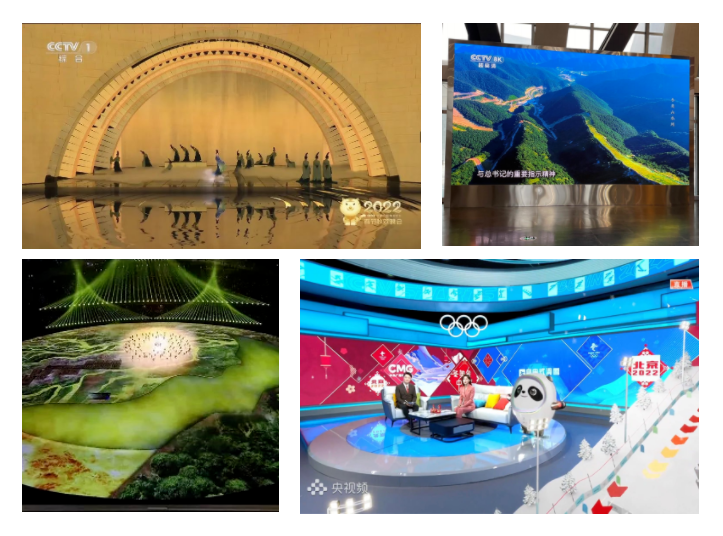
Smaller chips, smaller pitch, better fine-pitch performance: the direction is stated plainly, and it is the one the whole product range is organised around.
Fast Service
AET organises service as a lifecycle rather than a repair desk. Before a sale: requirement analysis, proposal, technical support, consultation. During: reference visits, design, installation and commissioning, training. After: scheduled callbacks, routine maintenance, remote assistance and on-site repair.
The response mechanism runs seven days a week around the clock, with the stated objective of a short path from a customer’s report to a person who can act on it.
The service model is also how the brand is localised: subsidiaries and offices act as sites where a customer can see and use the product, and distributors and integrators share the local operating and service resources rather than duplicating them.
Five Directions
Contact AET for a product briefing, a reference visit, or a discussion about a specific project.
Related Articles & Insights
AET Opens Global Recruitment Across R&D, Sales and Service
AET has opened a global recruitment round covering display research, engineering, overseas sales and field service.
Six Solutions: What an LED Display Actually Replaces
XR studios, broadcast rooms, command centres, naked-eye 3D, LED cinema and the meeting all-in-one: the six solution areas AET buil...