
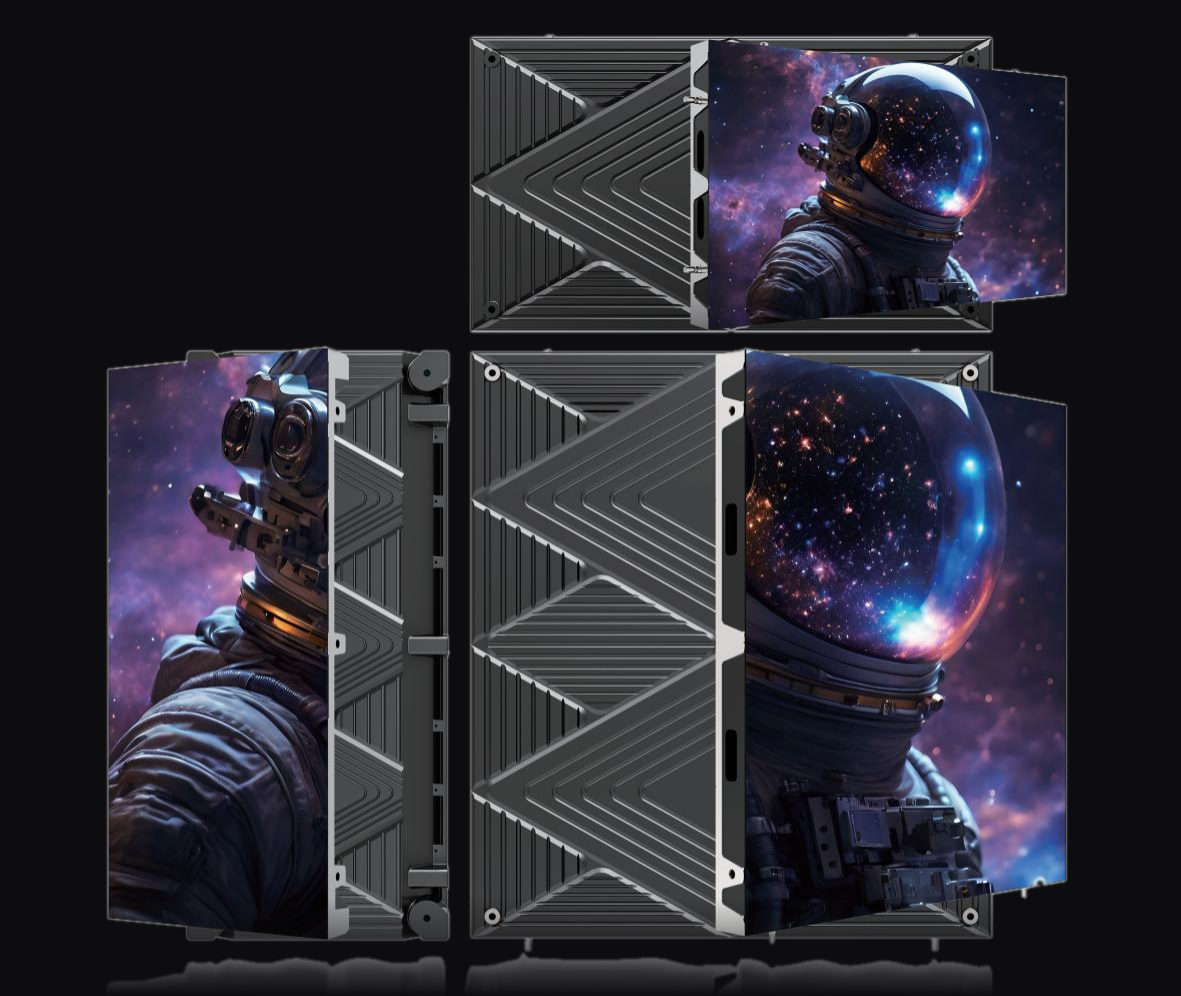
A display that disappears when it is off. An art wall that turns into a screen when it is on. AET LED texture screens put decoration and display into the same panel.
For a designer, a wall can now become an ultra-high-definition LED canvas without a black rectangle appearing in the renders. For an LED integrator, the unavoidable dark area that used to sit in a finished interior can now read as a picture.
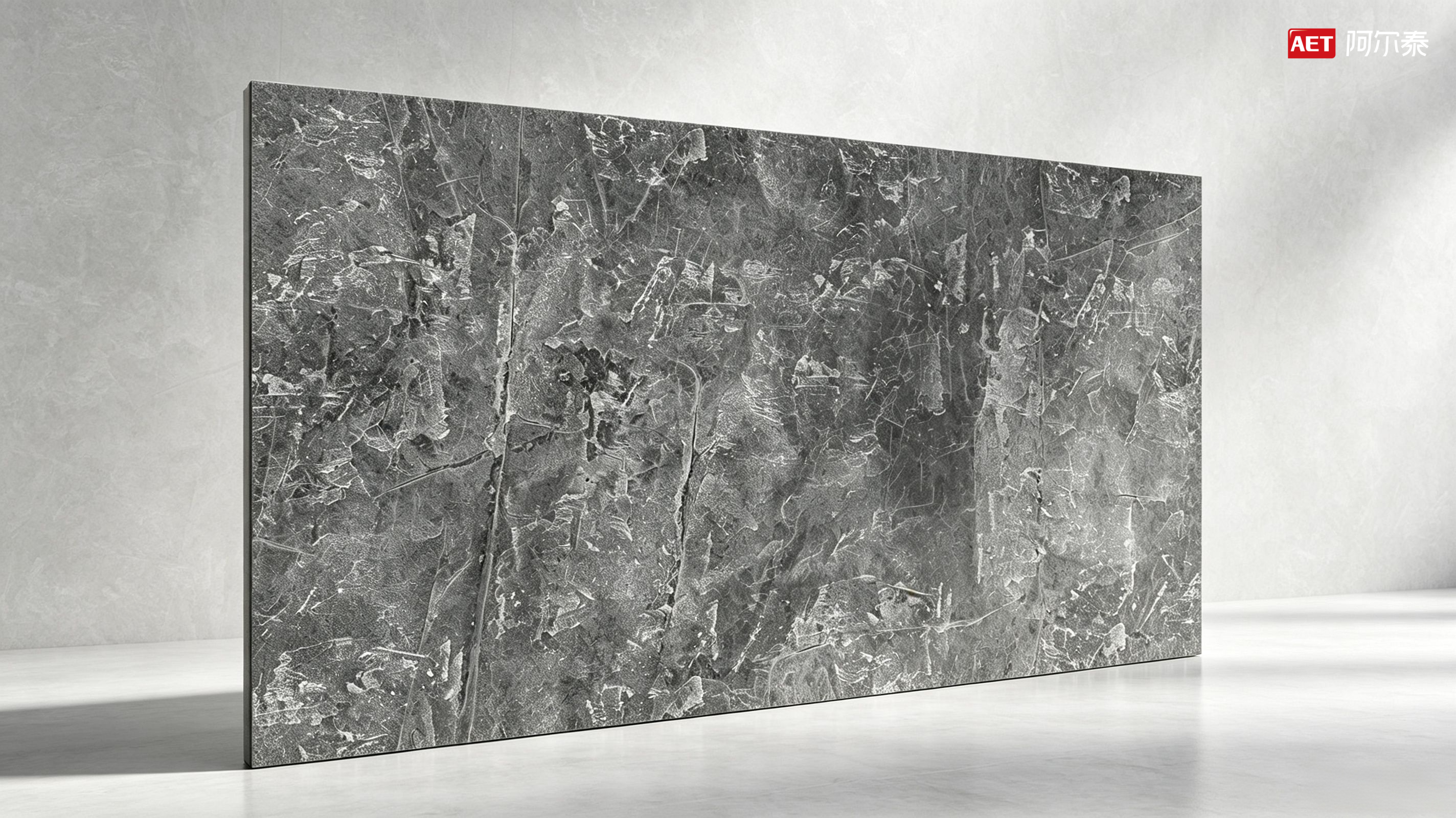
Screen Off: Part of the Room
The problem has always been the same. In interiors that demand visual unity, an LED wall is a black plane when it is idle — and the larger the screen, the larger the black area. Designers either hide the display or airbrush it out of the visualisation.
AET texture screens change the premise. Built on a professional COB display with a customisable surface finish, the panel can present marble, wood grain, landscape imagery, metal or fabric when it is off, close enough to natural stone, timber veneer or specialist paint that the wall reads as one material.
Texture customisation is available at three levels — full screen, single cabinet and single module — so it can match both design intent and budget. The AT series, NX series, standard modules and flexible modules all support it. A designer can give a whole wall one finish, or inlay an artistic pattern locally, using the same instinct as specifying stone or timber.
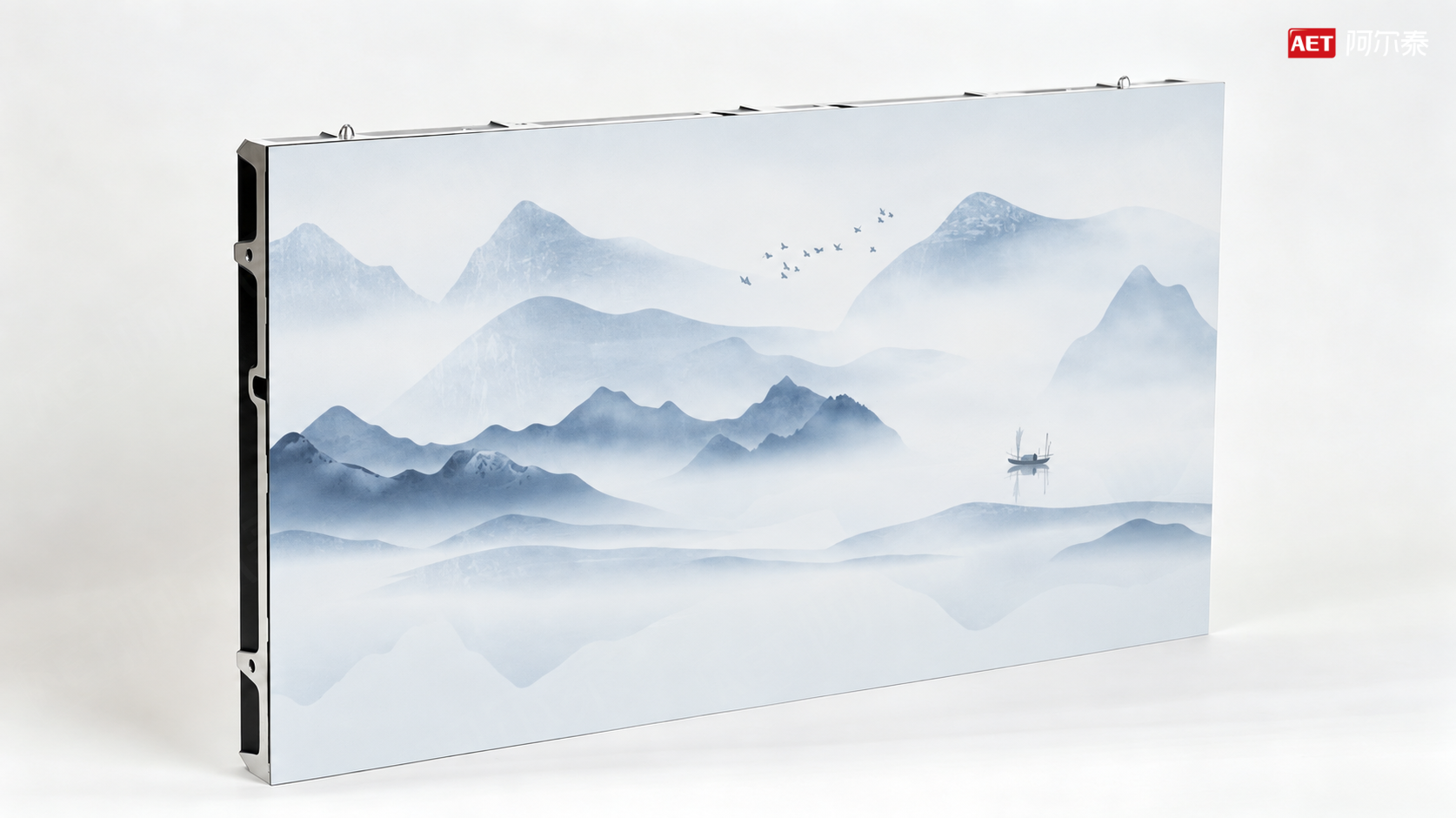
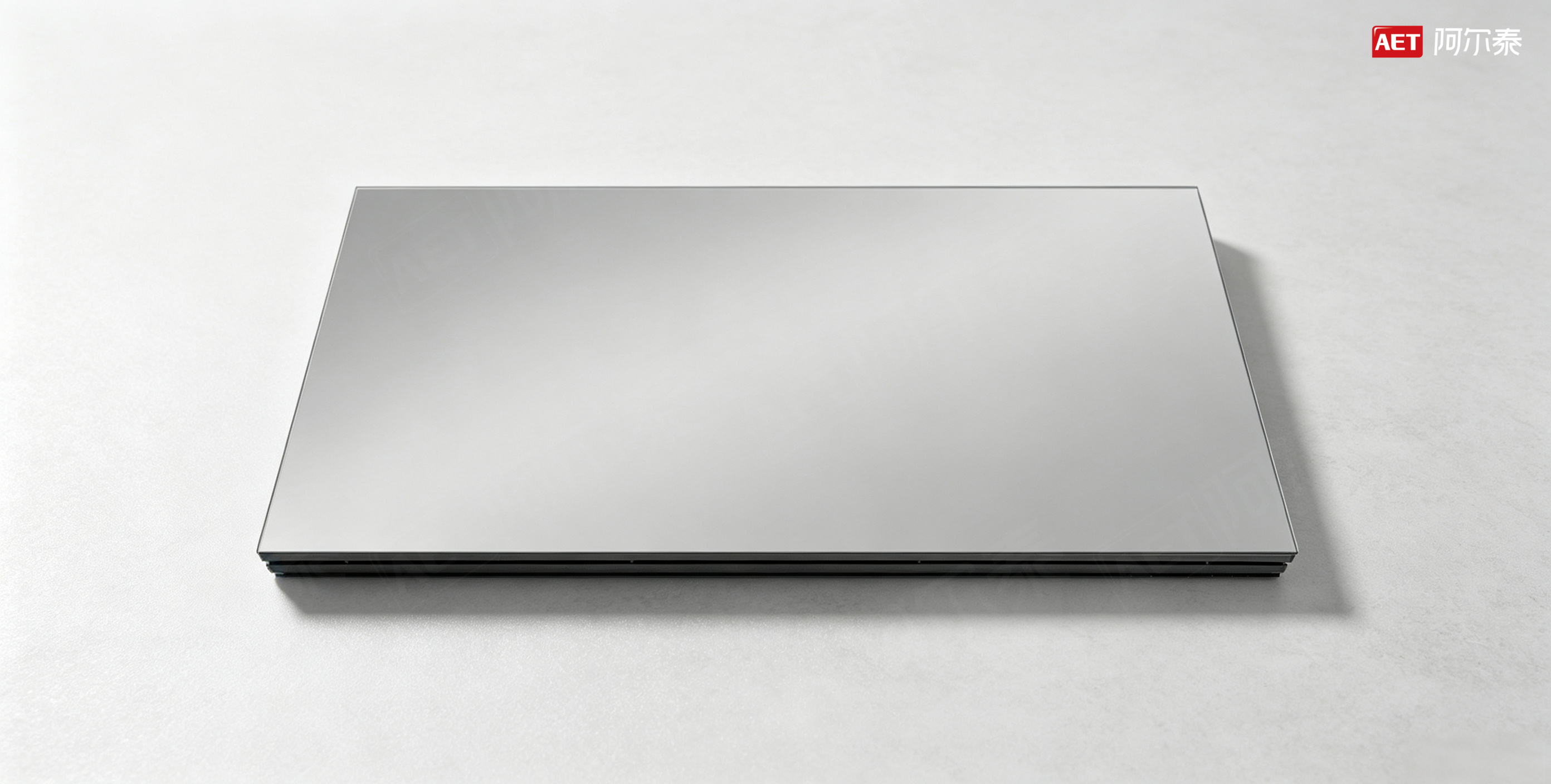
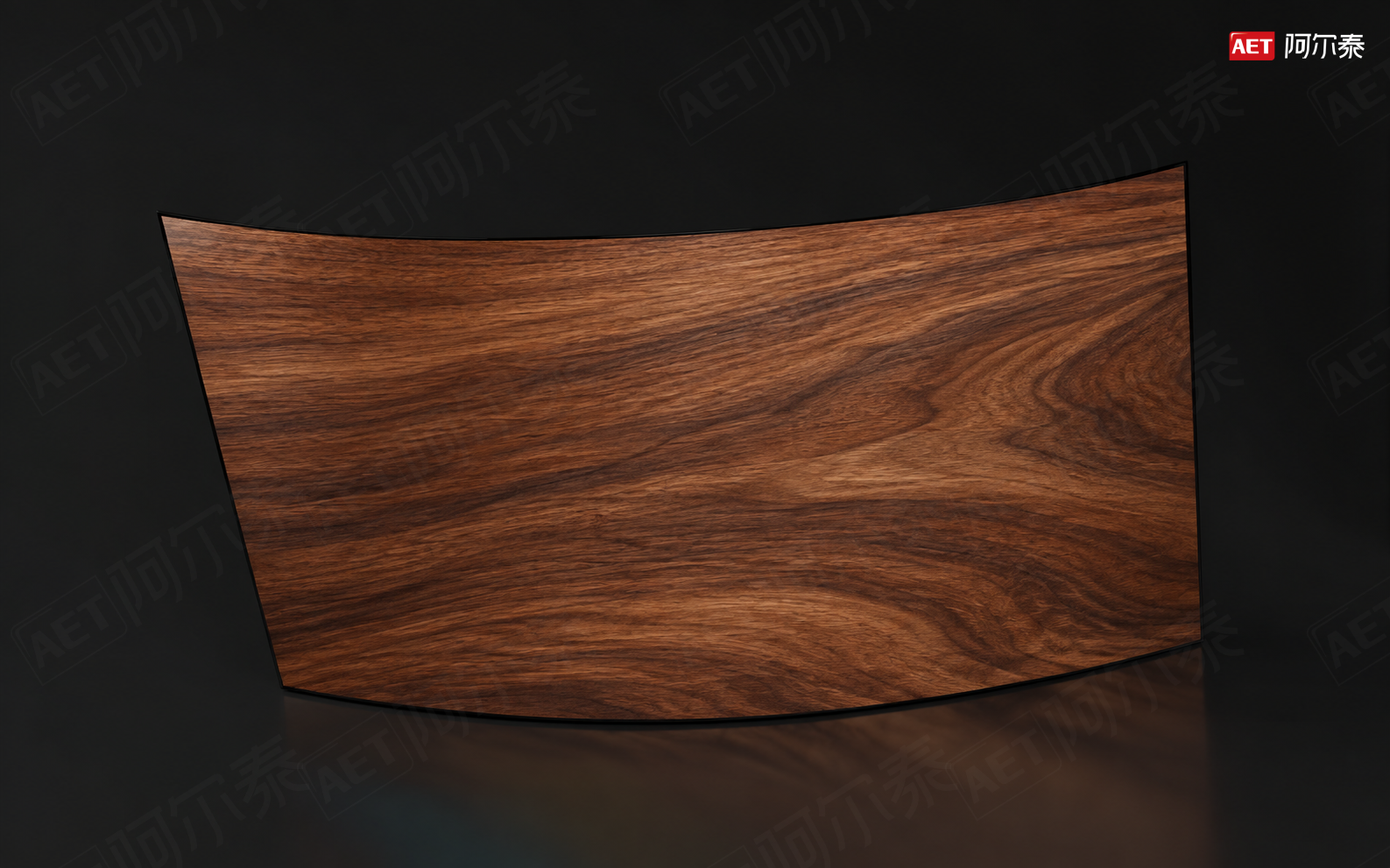
Curved surfaces work too. The flexible art module supports free-form geometry, so columns, curved walls and domes that previously only accepted paint or stretch membrane can carry a display instead.
Screen On: A Professional Display First
Decoration is the addition; display performance is the foundation. With the screen on, a texture panel is still a professional LED display.
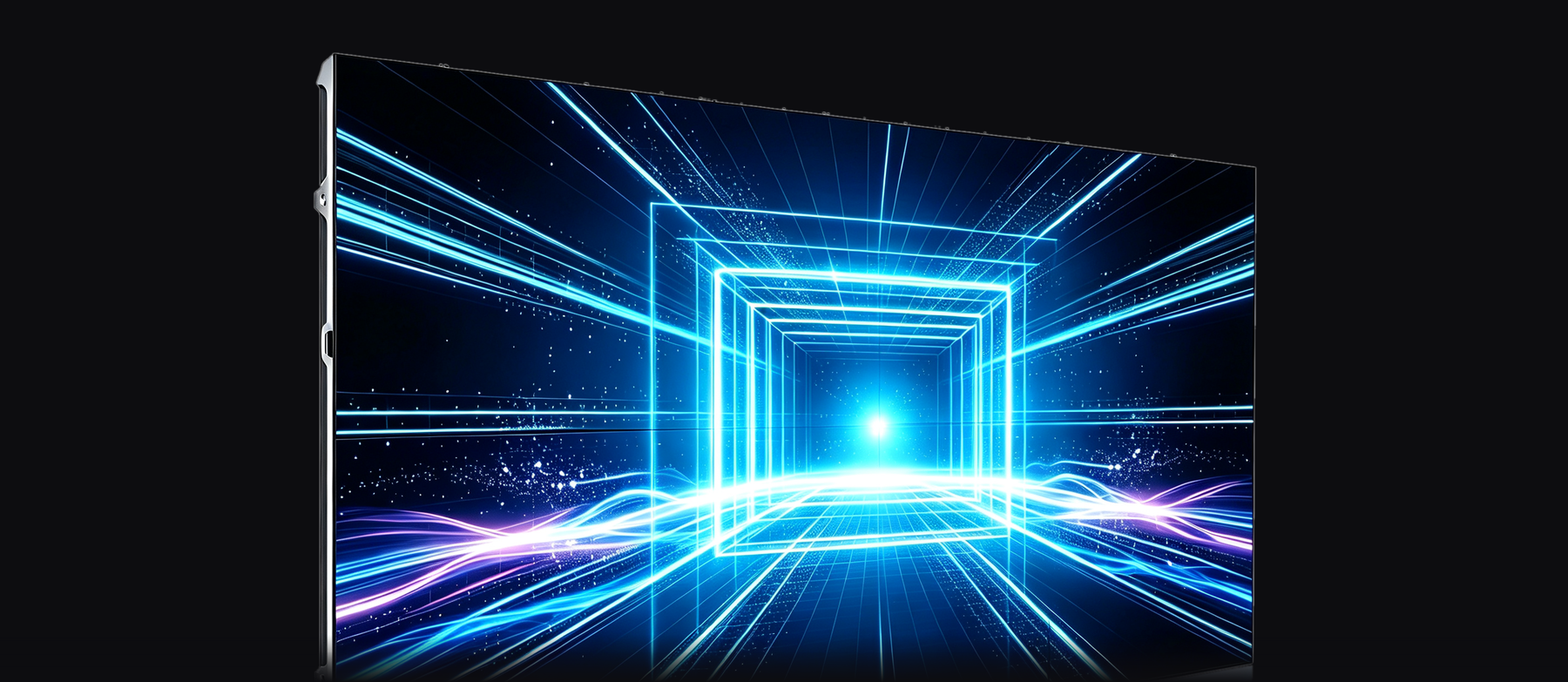
High brightness, high contrast, wide colour gamut and wide viewing angle cover brand content, art playback and information publishing. COB packaging bonds the emitting chips directly to the substrate, which evens out the light surface, raises contrast and improves fine detail and black consistency over conventional assemblies.
Ingress protection reaches IP65 — water, dust and impact resistant, cleanable with a damp cloth. In hotel lobbies, retail spaces and museums, where footfall is constant, that is what long-term reliability looks like. Constant-current driving keeps the current precise and losses low, and the common-cathode design cuts energy use by more than 30% against a conventional display.
On delivery, AET controls the chain from chip to finished screen, which is what keeps black level and texture consistent across production batches — standardised delivery in the way a building material is standardised, so a large installation reads as one surface rather than a grid of panels.
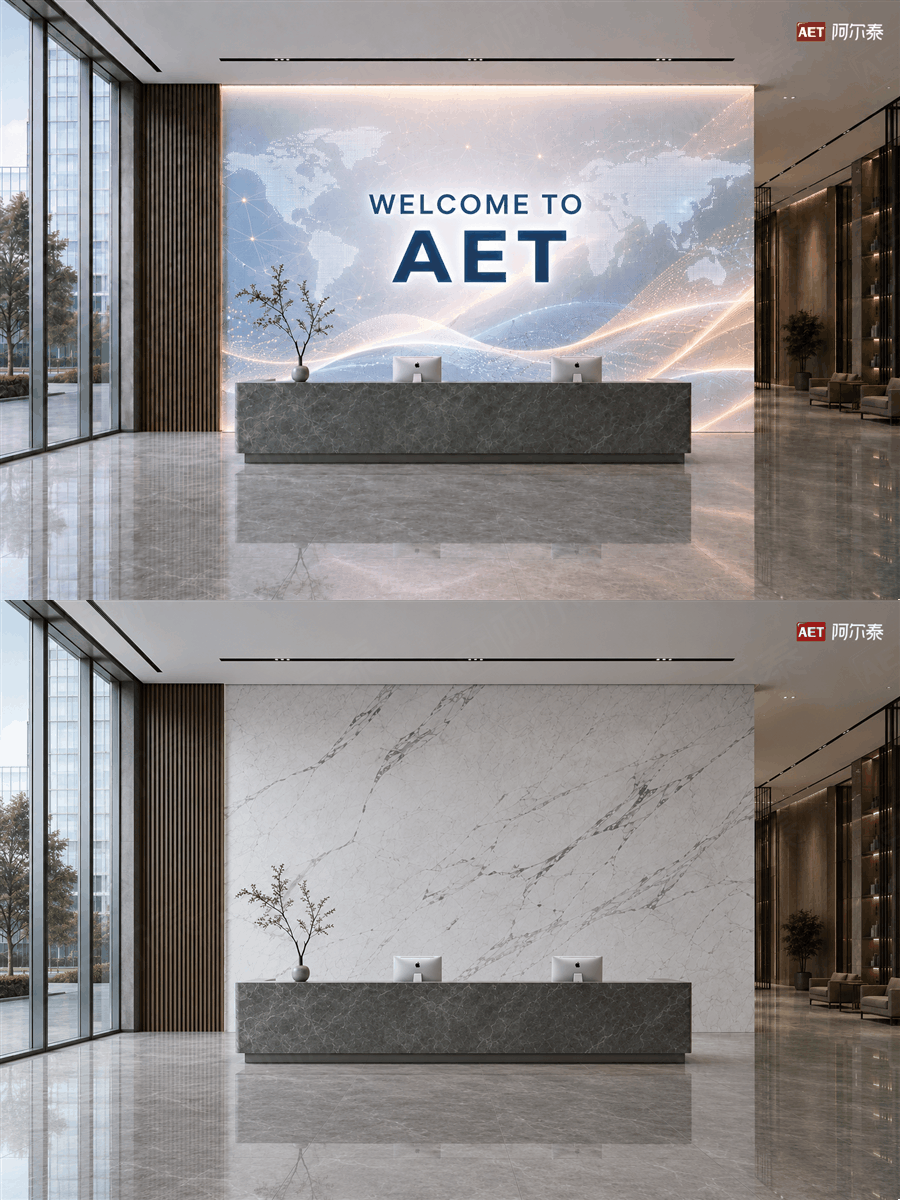
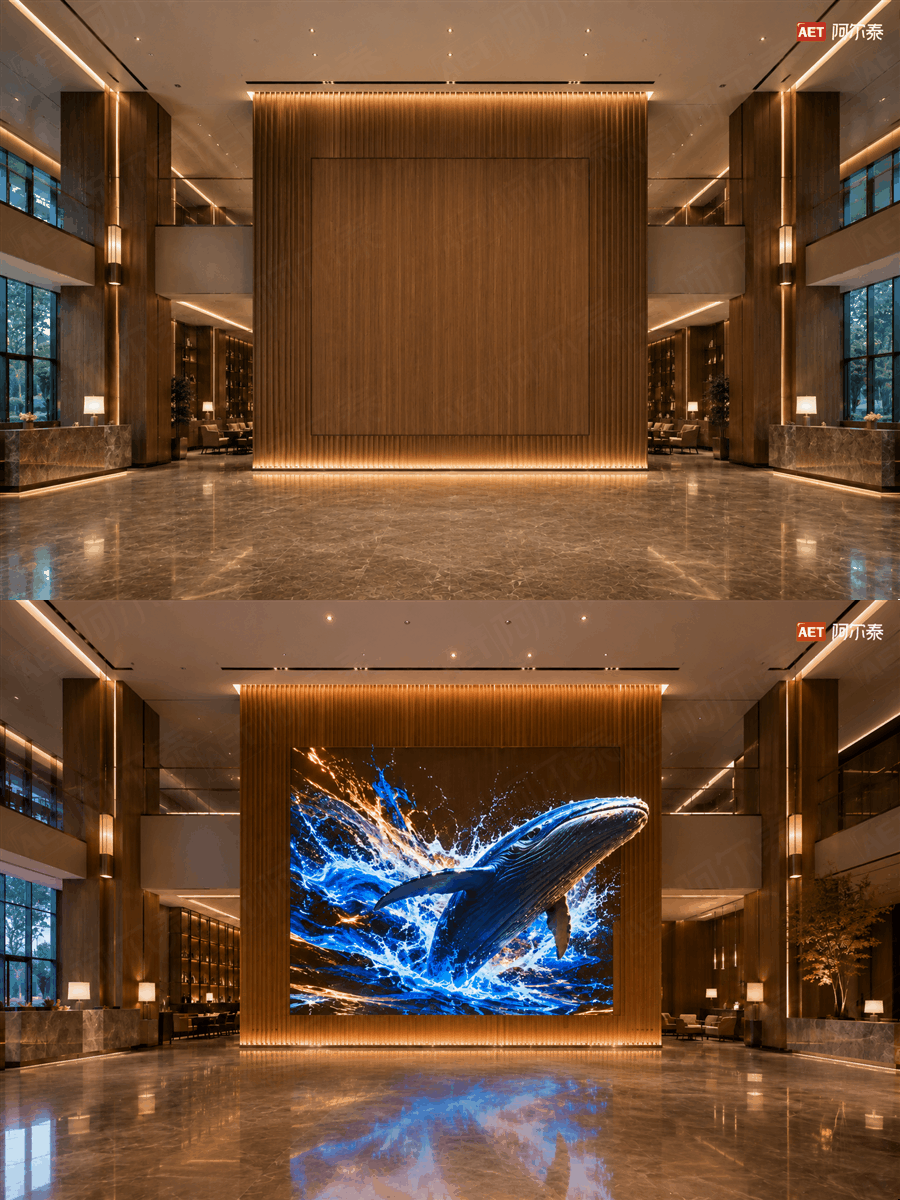
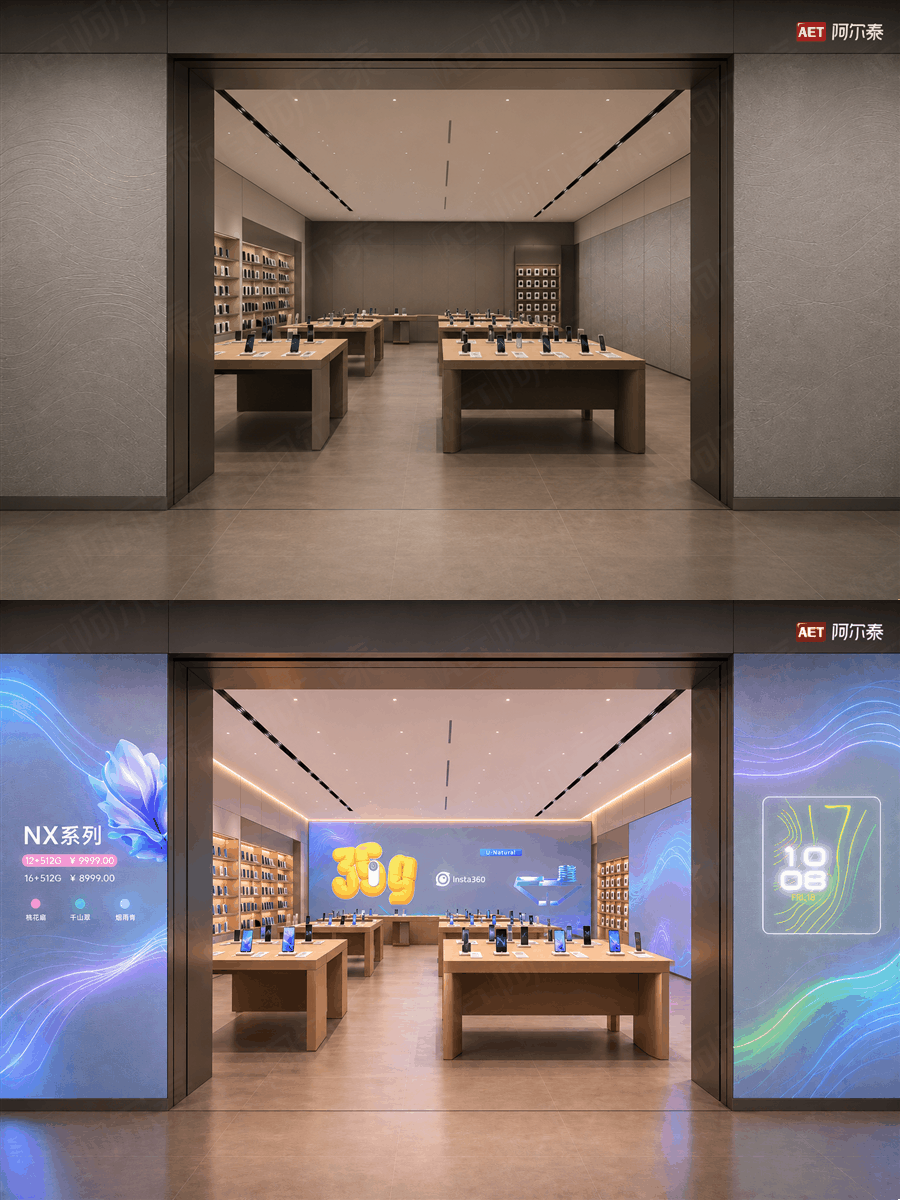
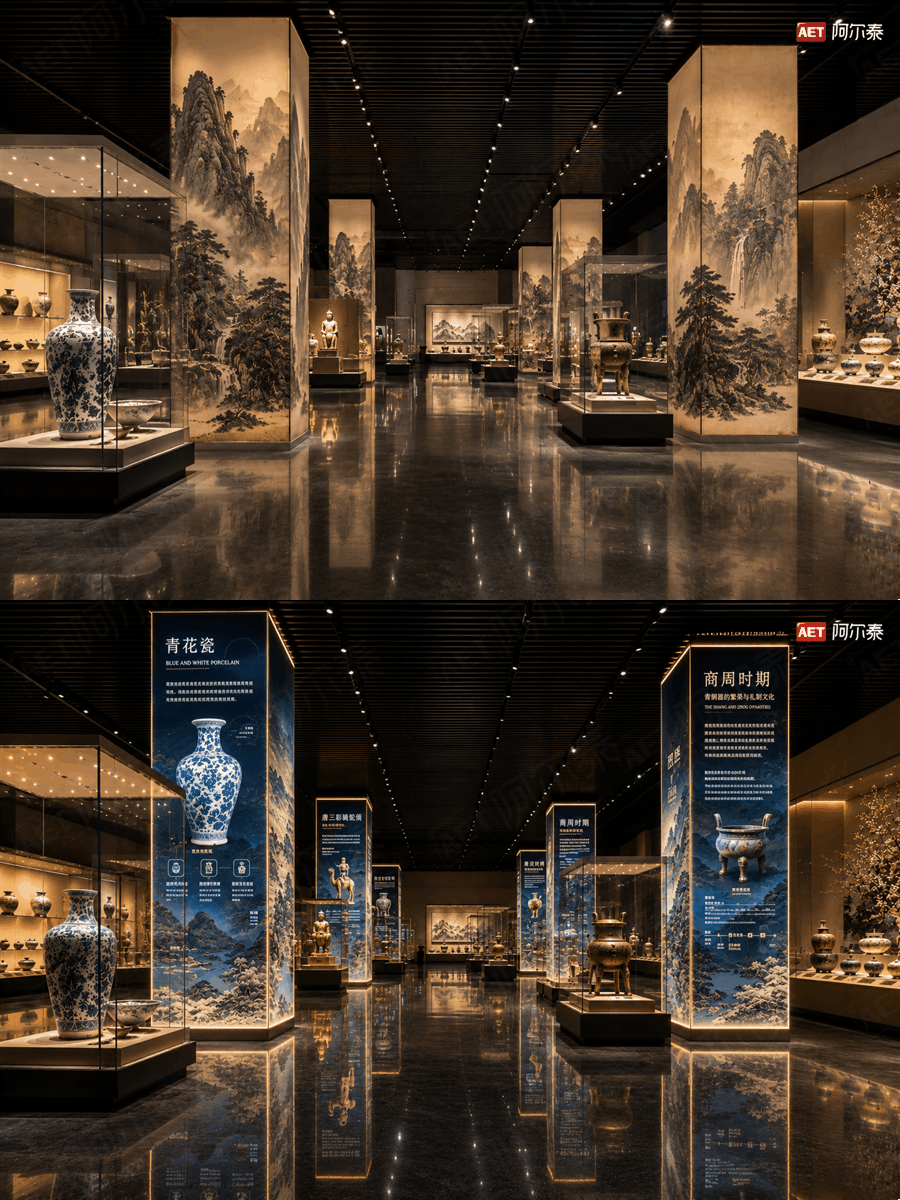
From a reception wall and a hotel lobby to a brand showroom and an art gallery, the same panel can be a welcome wall, an atmosphere wall, a brand surface or a digital artwork. Change the finish and the content and the role changes with it; the limit is the designer’s imagination.
From a Black Wall to a Digital Material
A black wall becomes a painting. An LED panel becomes a new kind of digital building material. The element that used to interrupt an interior becomes part of it.
Display and space are finally merging — and the specification question is no longer whether the screen can be hidden, but which texture the wall should have.
Texture Customisation Across the COB Range
Every COB product in the AET range can be specified with a custom surface finish, at full-screen, cabinet or module level. Talk to us about samples before the interior schedule is fixed.
Related Articles & Insights
AET Opens Global Recruitment Across R&D, Sales and Service
AET has opened a global recruitment round covering display research, engineering, overseas sales and field service.
Five Extremes: How AET Plans to Grow
Minimalist architecture, frontier technology, visual quality, fine pitch and fast service: the five directions AET has organised i...