
How many scenarios can one LED display cover? From a television studio to a government meeting room, from a shaped retail screen to a private cinema — the KOALA series has passed 500 installations.
Broadcast is the test that sorts LED products out. Get the refresh rate wrong and the camera catches the scan. Mishandle the scan lines and the picture fails on air. Passing a television studio is not a marketing claim; it is a measurable one.
Broadcast: Where Refresh Rate Is Tested
Hebei Radio and Television runs KOALA P1.5 with dual backup power cards, so live news and interviews do not stop for a failed supply.
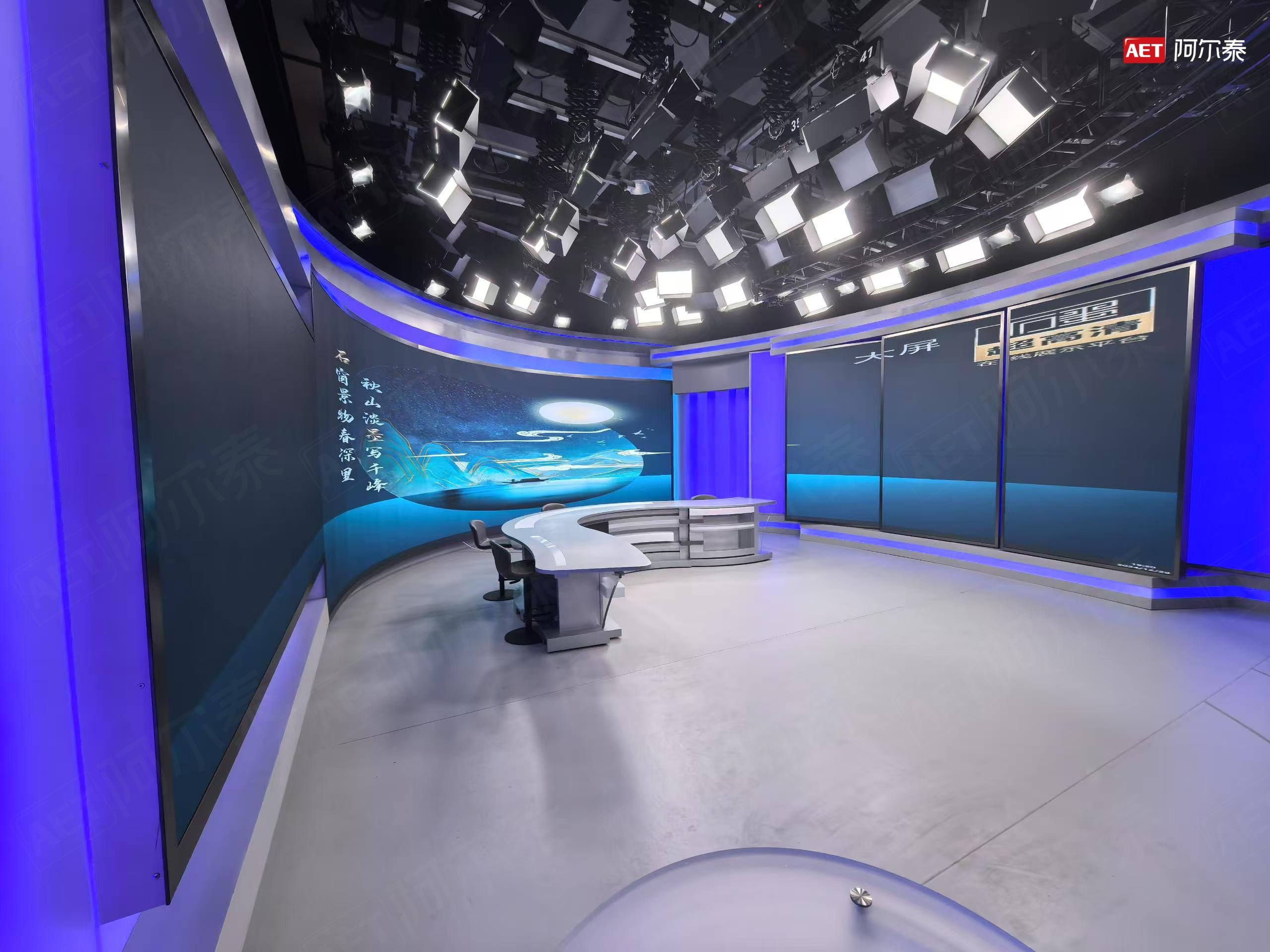
NDTV Profit, India
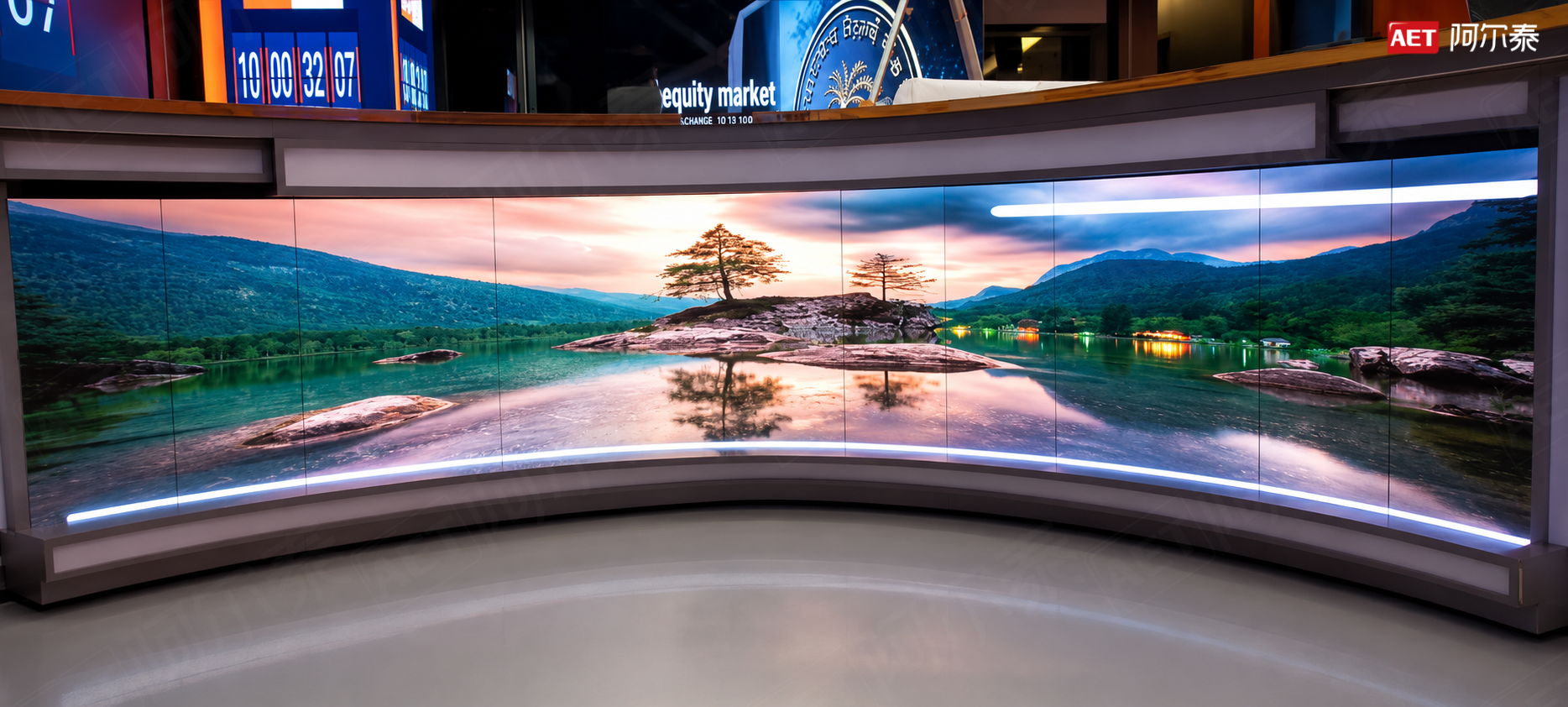
NDTV Profit specified KOALA QCOB P1.26 with 240 × 540 mm portrait cabinets, building a 45-degree mitred inner curve from standard parts — no custom tooling required. At 3,840 Hz it meets the frame rate a live news studio needs.
Meeting Rooms: Filling the Opening Exactly
The recurring problem in a meeting room is the wall. The opening is never a tidy multiple, so a screen either overhangs or leaves a gap.
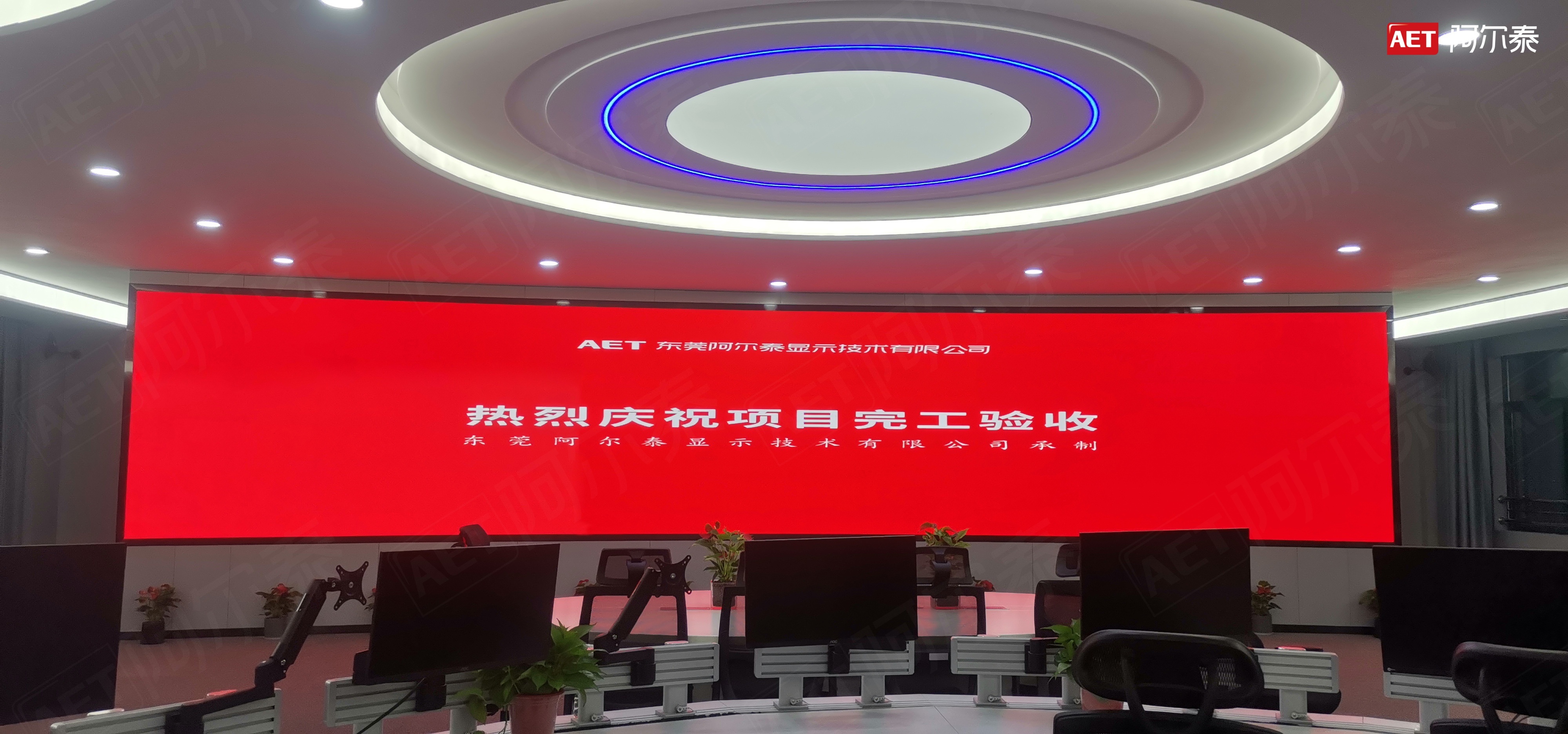
Shengli Oilfield in Dongying solved it with a 480 × 540 mm main wall and 480 × 270 mm cabinets trimming the edges — an exact fit rather than a compromise.
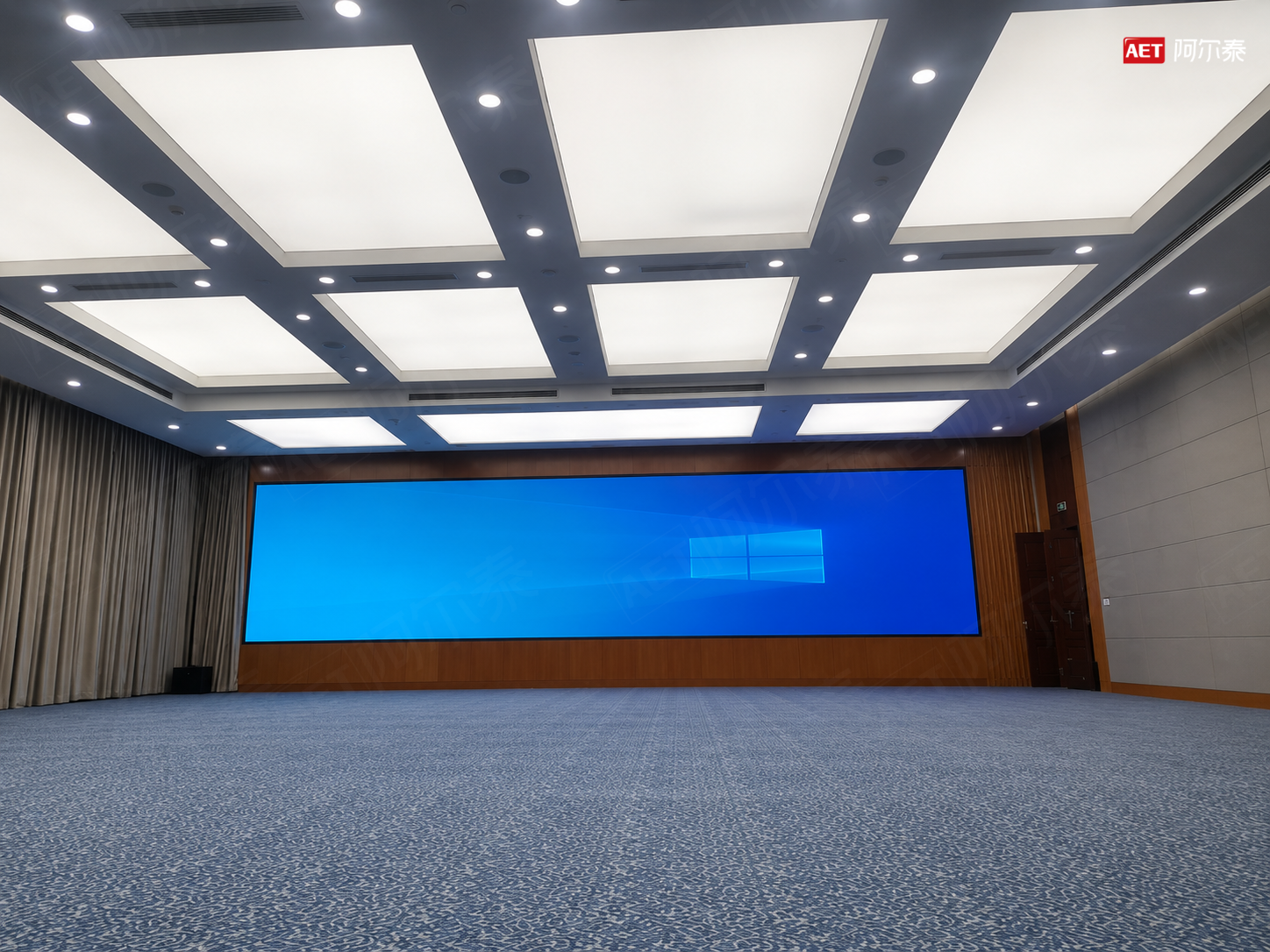
Jingmen Power and Disease Control Centre in Hubei used KOALA P1.8 for a curved screen that balances stability with viewing comfort in an energy-industry meeting and display setting.
Why two small formats matter
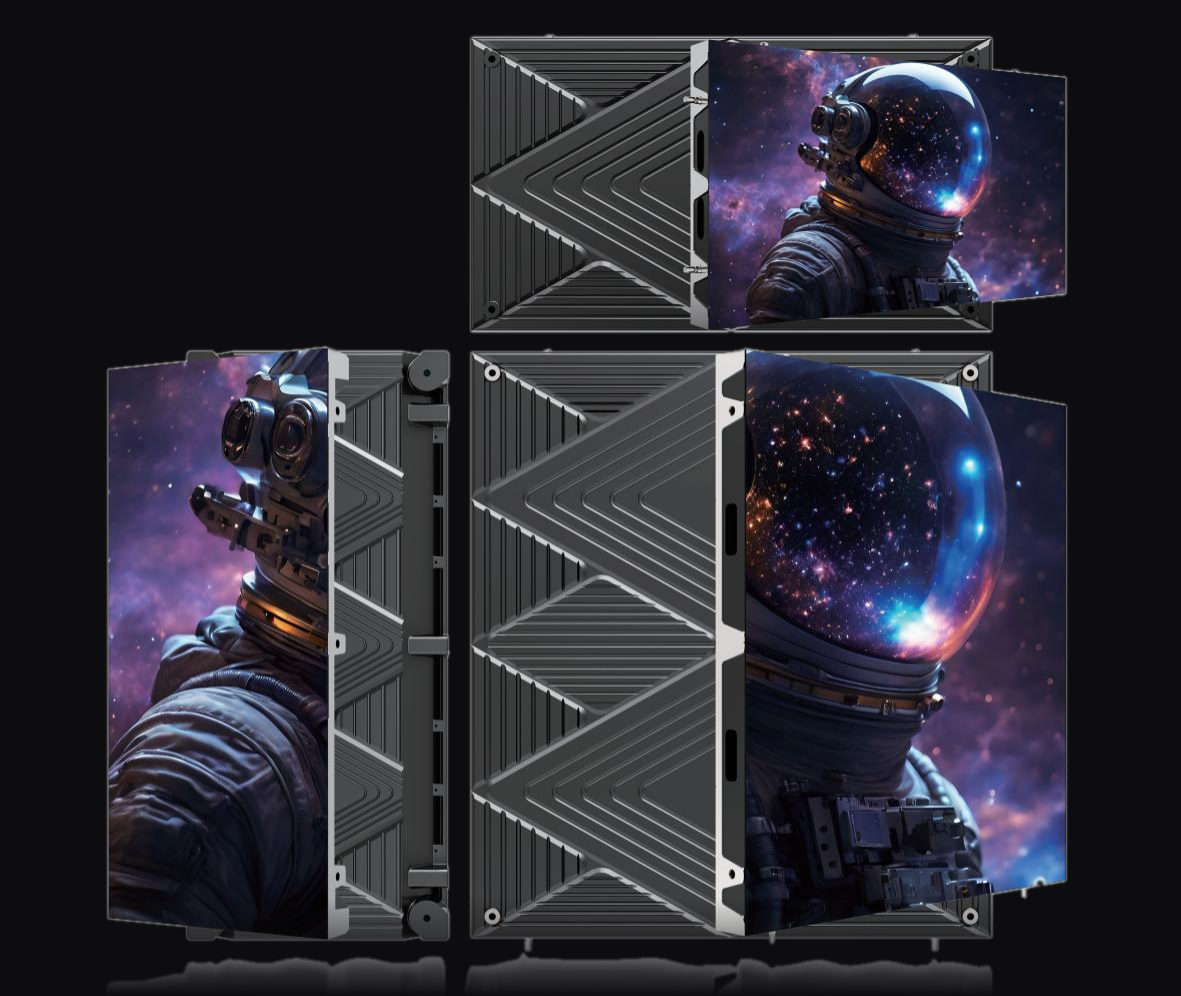
The 480 × 270 mm landscape half-cabinet and the 240 × 540 mm portrait cabinet are what let one product family fill awkward openings without custom parts.
Commercial Space: Standard Products, Non-Standard Shapes
Commercial complexes want difference, which usually means customisation, long lead times and an unproven result. KOALA takes the other route: standard products assembled into non-standard forms.
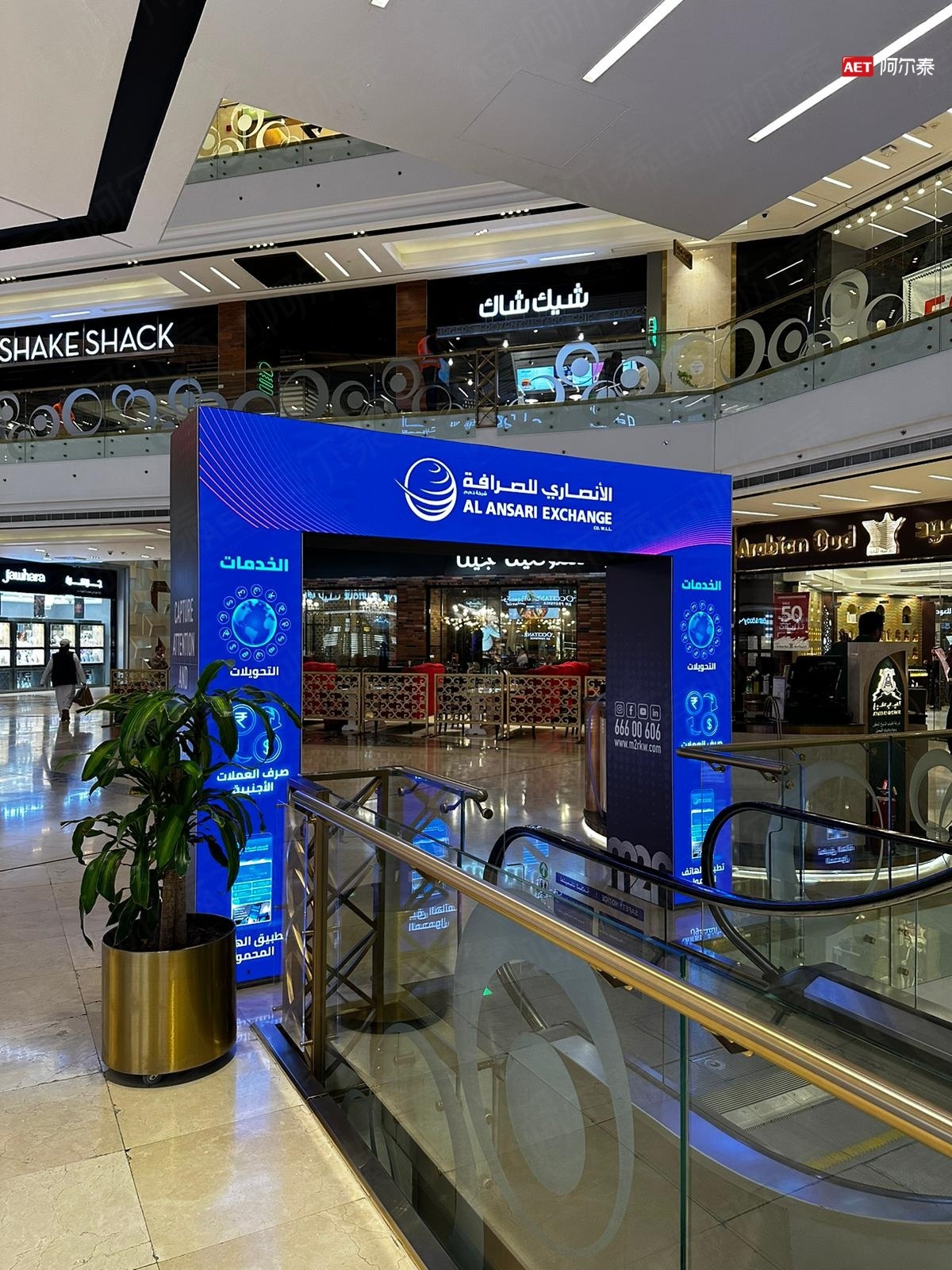
At Gate Mall in Kuwait, 60 standard KOALA cabinets form a giant doorway-shaped screen — no tooling, no custom cabinet, and now the visual landmark of the mall.
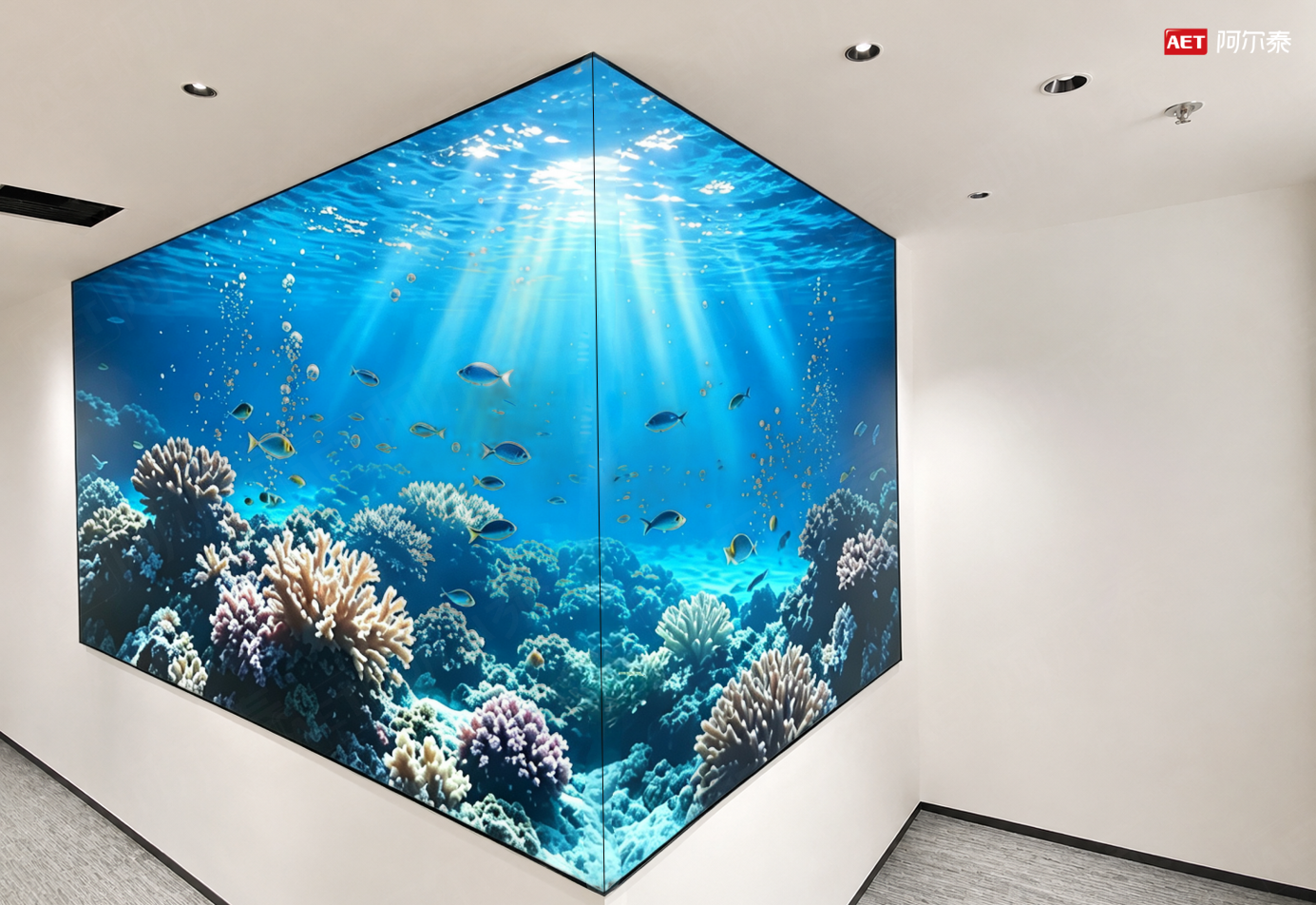
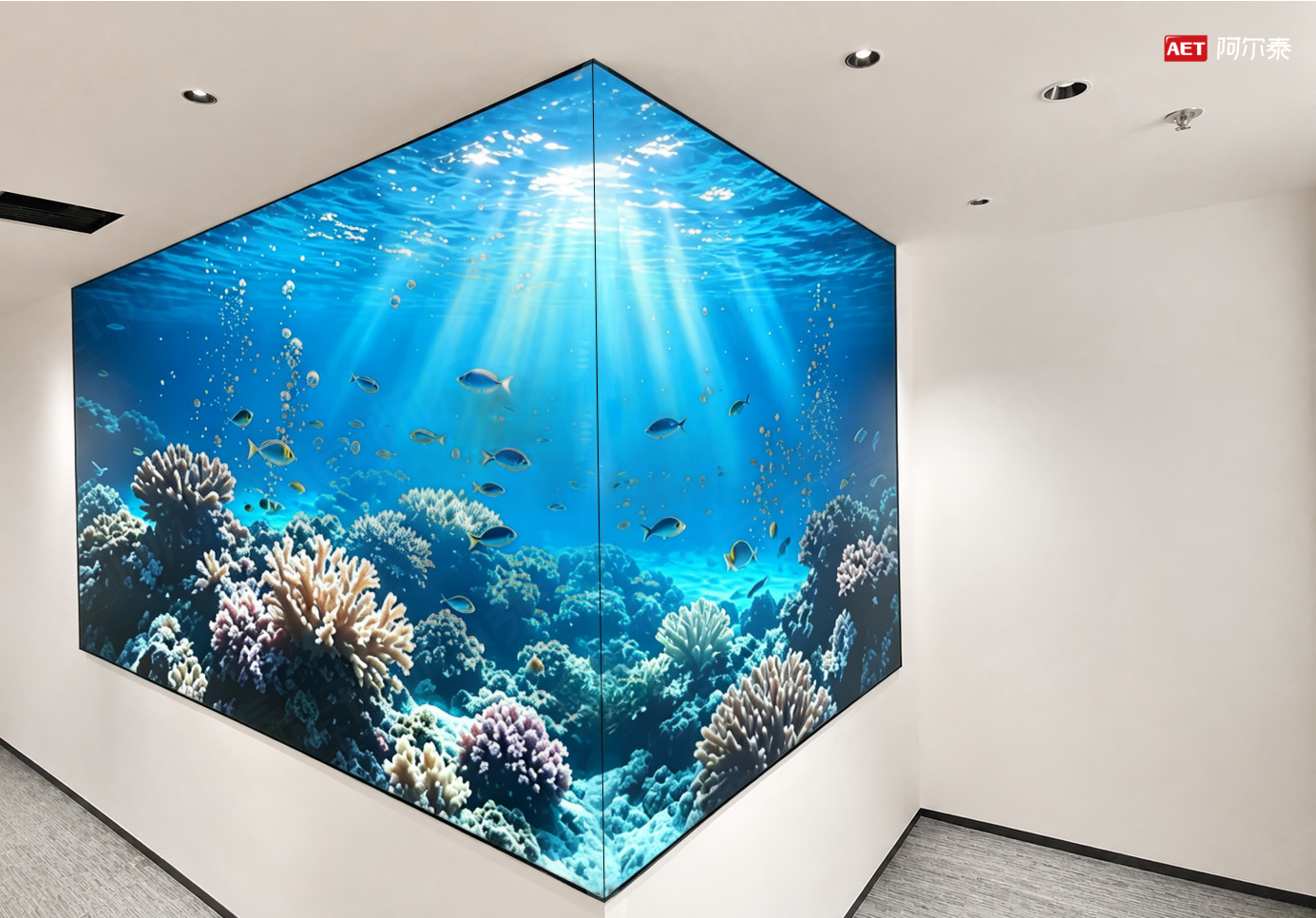
A fund company showroom in Beijing Oriental Plaza used KOALA P1.25 for a folded corner screen, presenting information at multiple angles inside a limited footprint. For indoor naked-eye 3D — aquarium walls, waterfall walls, three-sided corners — KOALA delivers standard-product routes to the same result.
Private Cinema: The Demanding Client
A private cinema is as particular as a broadcaster: blacks must be black, colour must be accurate, and a three-hour session must not tire the eye.
The most recent KOALA home cinema installation is in Hyderabad, India. QCOB surface emission keeps long viewing comfortable, and 3,840 Hz keeps action sequences clean. It is a useful reminder that a good display product is not confined to its conventional application boundary.
What 500 Installations Taught Us
The design logic behind KOALA is not complicated: one standard product family, applied to as many scenarios as possible.
Three standard sizes — 480 × 540, 240 × 540 and 480 × 270 mm — combine like blocks into flat, curved, right-angled and column geometries without custom parts. Black level and colour temperature stay consistent between batches and between projects, so a mixed installation does not show its seams as a tonal difference.
One product doing the work of several is why KOALA is easy to specify. If you are planning an LED project and the shape is the awkward part, start there.
Start With KOALA
Three cabinet sizes, three aspect ratios, one family. Send us the opening dimensions and we will return a layout that fills it exactly.
Related Articles & Insights
AET Opens Global Recruitment Across R&D, Sales and Service
AET has opened a global recruitment round covering display research, engineering, overseas sales and field service.
Five Extremes: How AET Plans to Grow
Minimalist architecture, frontier technology, visual quality, fine pitch and fast service: the five directions AET has organised i...