
AET curved LED screens have moved a long way from being a flat panel bolted to a wall. In broadcast studios, control rooms, museums, flagship stores and theme parks, the curve is what lets a display belong to the architecture instead of sitting on top of it.
This is a record of where that evolution has landed — five environments, one product family, and the reasons each one chose a curved surface rather than a rectangle.
Broadcast: Walking Into the Frame
In television, a curved wall changes what a studio is. It stops being a backdrop and starts being a set — and the presenter stops reading to camera and starts standing inside the picture.
Because the surface wraps with the lens axis, close-ups hold up: the eye reads depth behind the subject instead of a flat plane. Combined with flicker-free capture and dual-backup live signal paths, curved LED has become the default for studios that shoot rather than simply display.
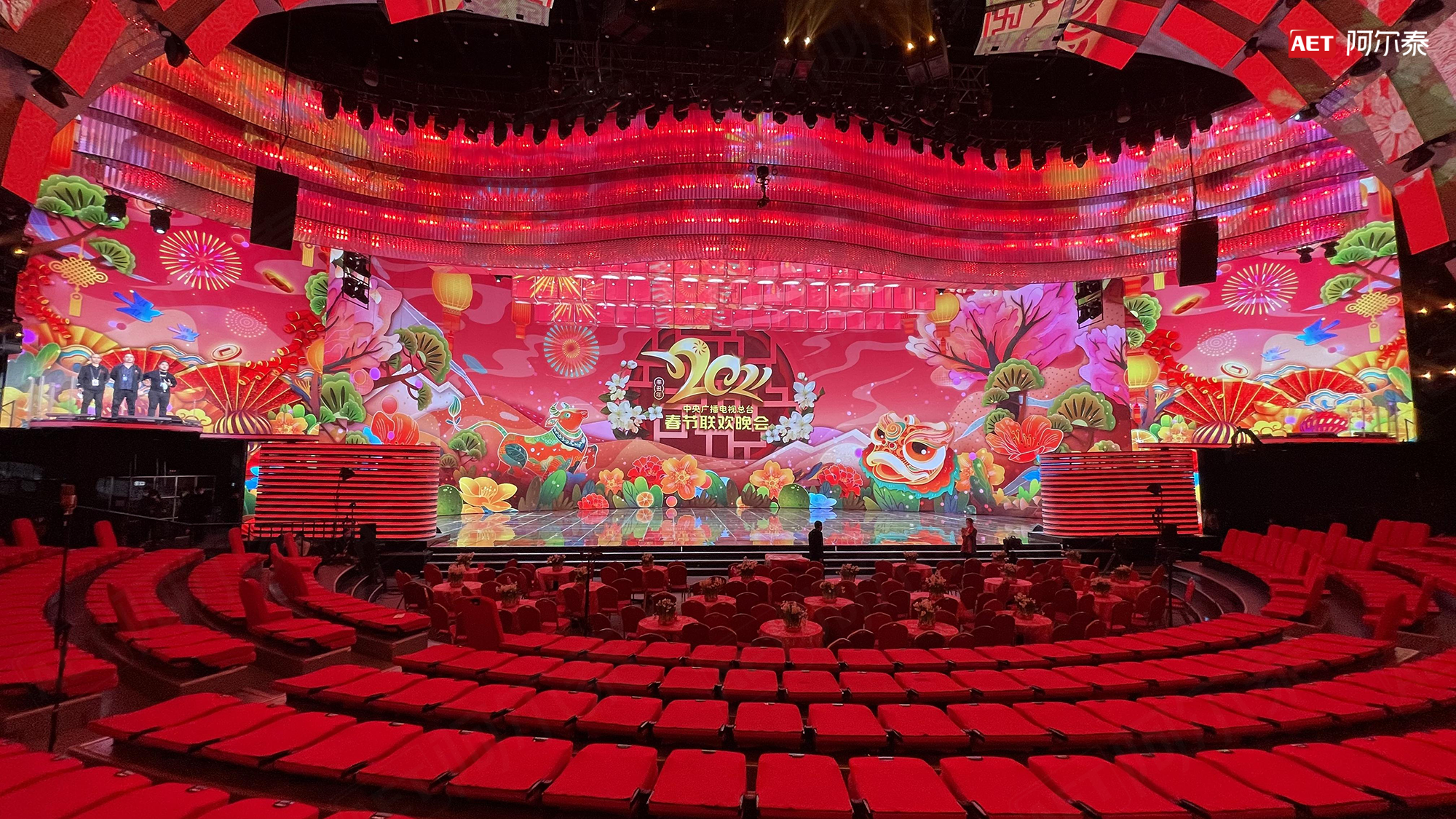
For the Spring Festival Gala, a 760 m² 8K ultra-HD curved main screen rose at centre stage. What the global audience saw was not a screen but a continuous, moving visual world wrapped around the whole stage.
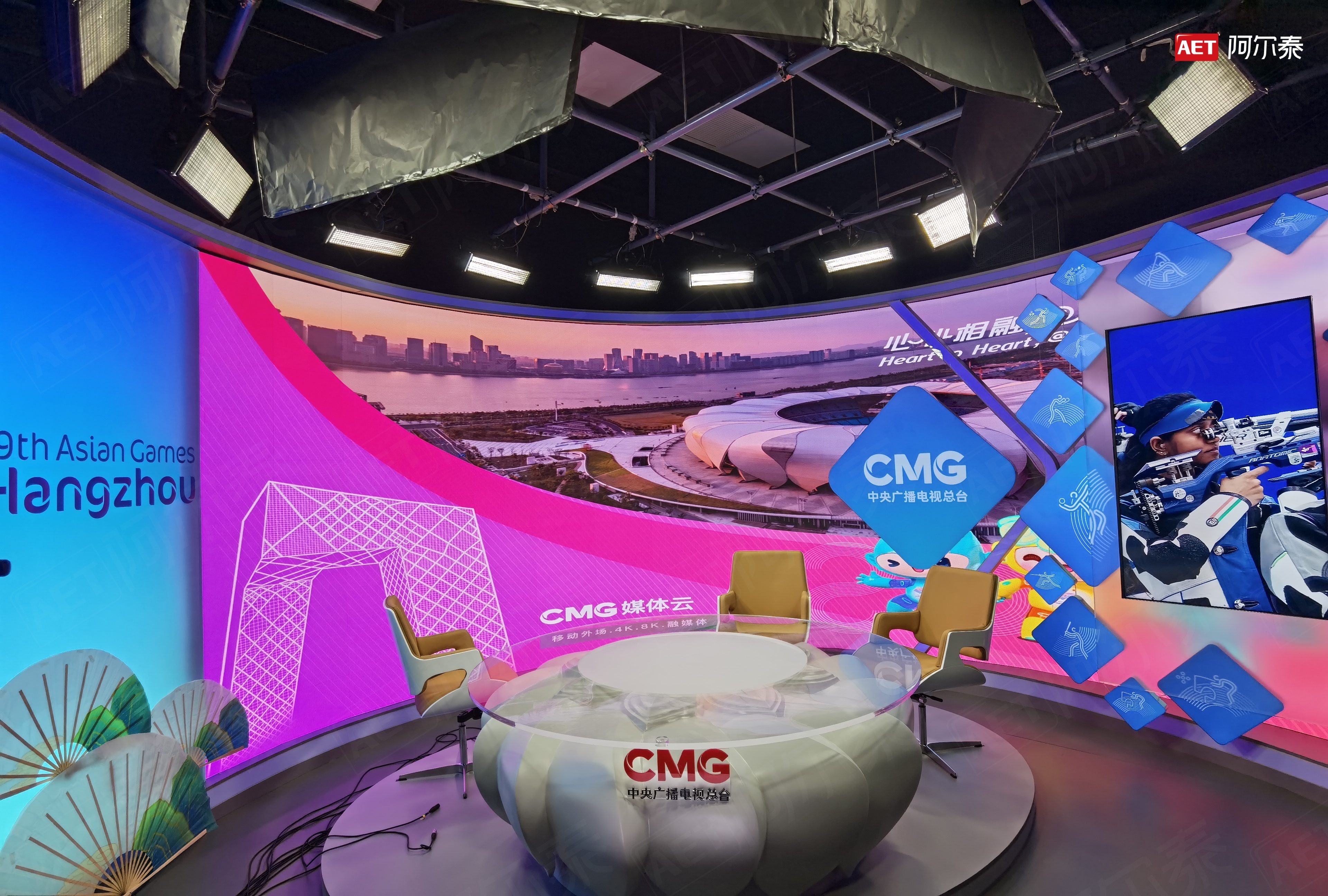
AET has supported the Beijing Winter Olympics, the Chengdu World University Games and the Hangzhou Asian Games. The 8K live-broadcast studios built on AET screens put the viewer at the venue rather than in front of a monitor.
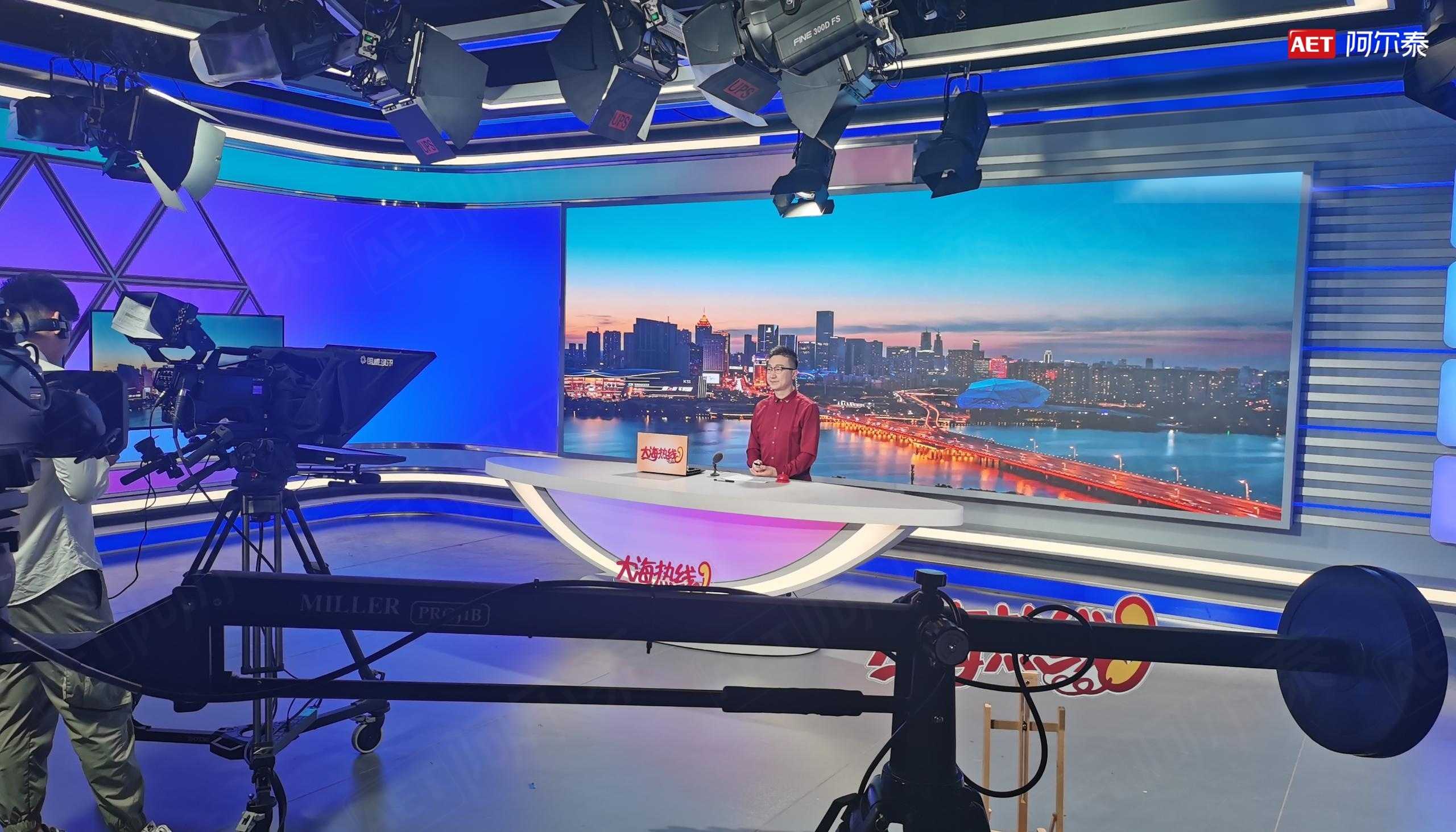
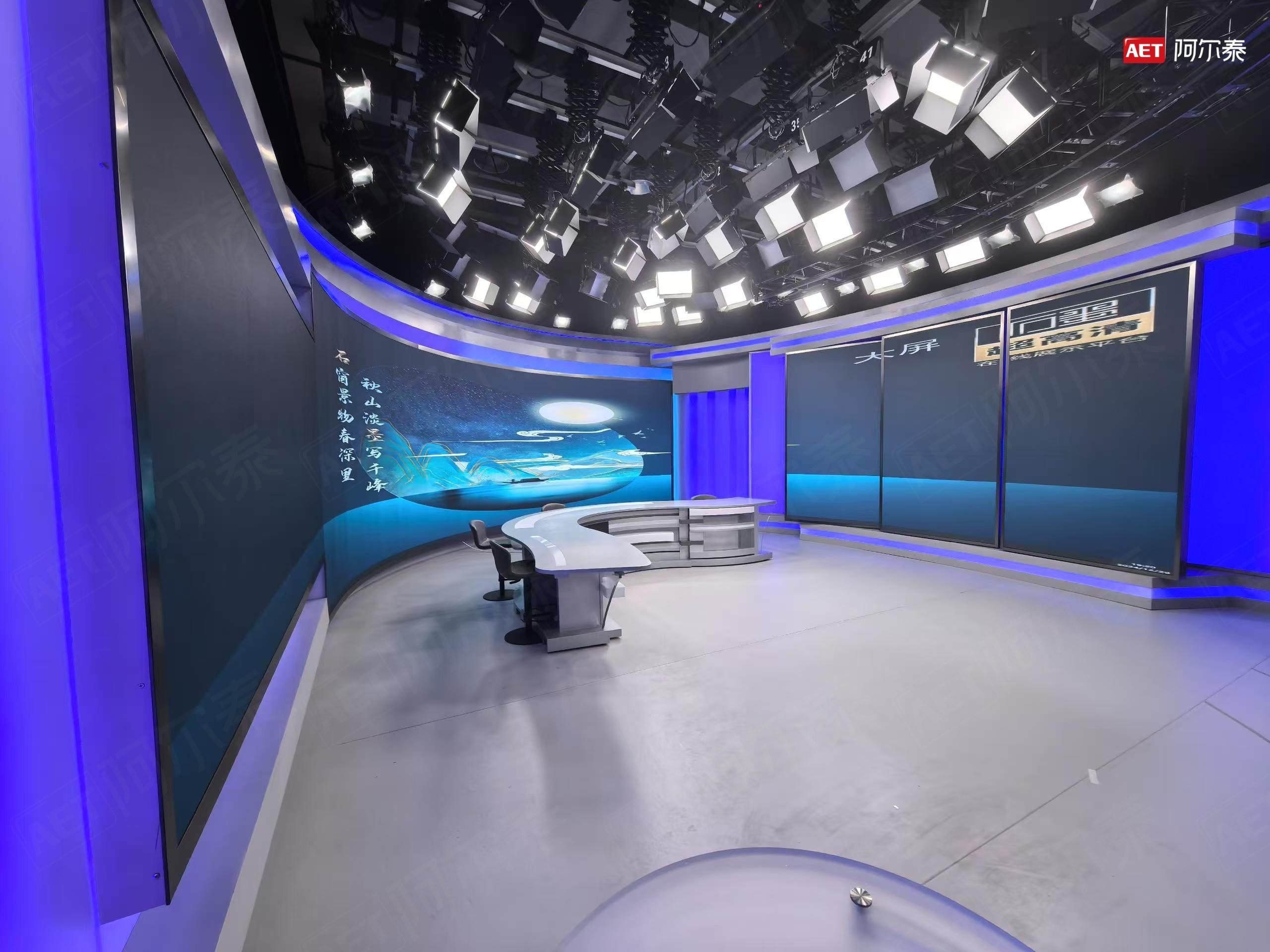
Liaoning, Hebei, Ningbo and Yanji broadcasters have all adopted AET curved screens for XR production, where the curve is what makes an in-camera virtual set read as a real room.
Command and Control: A Wall That Shows Everything
In a control room the two requirements are fit and completeness. The screen has to match the room, and nothing may be cut off by a corner.
A smooth curve follows the building line and removes the blind spot at the edge of the wall. Maps, charts and video play across one continuous canvas, and in very large halls a curved surface keeps viewing angles consistent for operators sitting at different bearings.
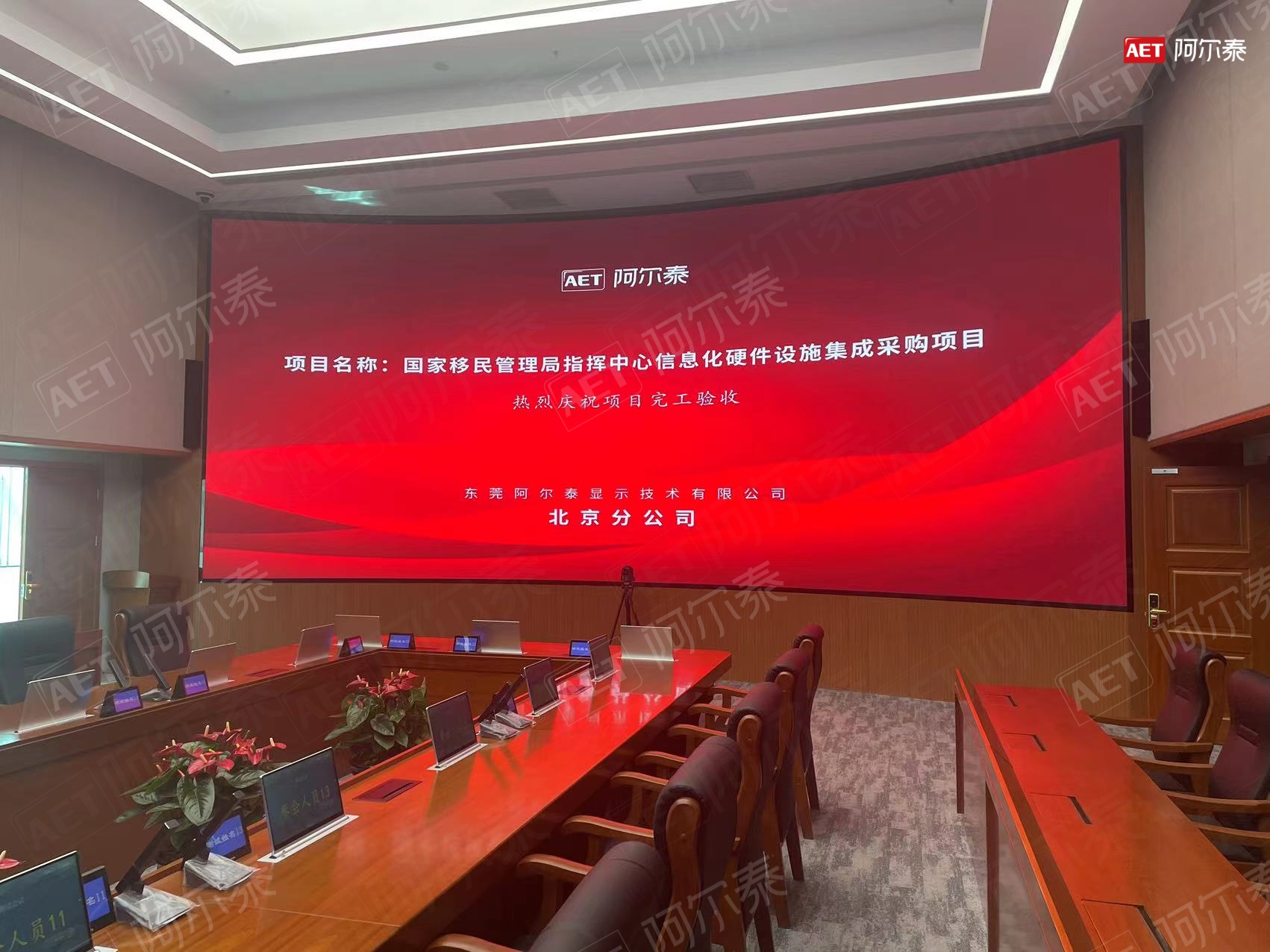
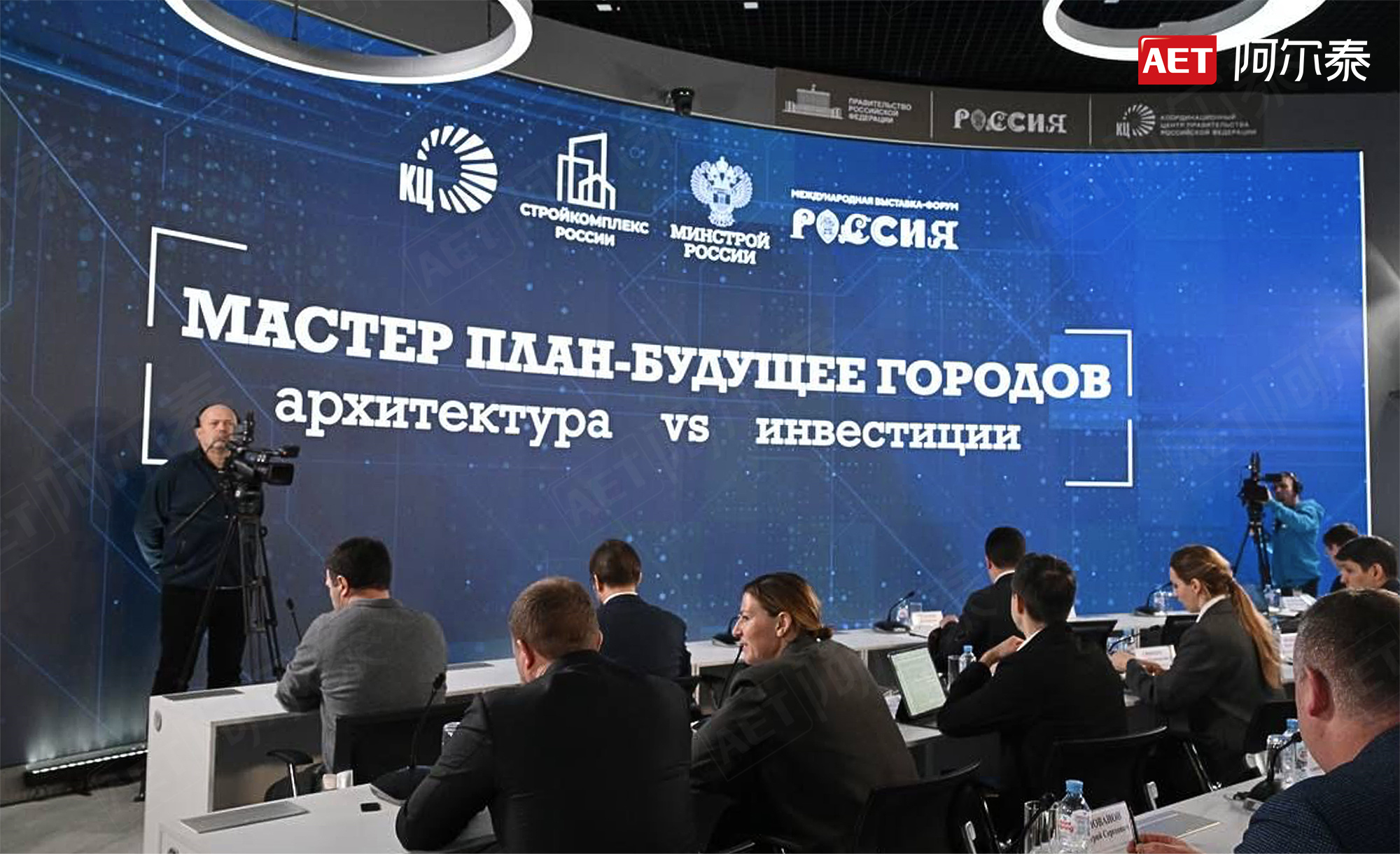
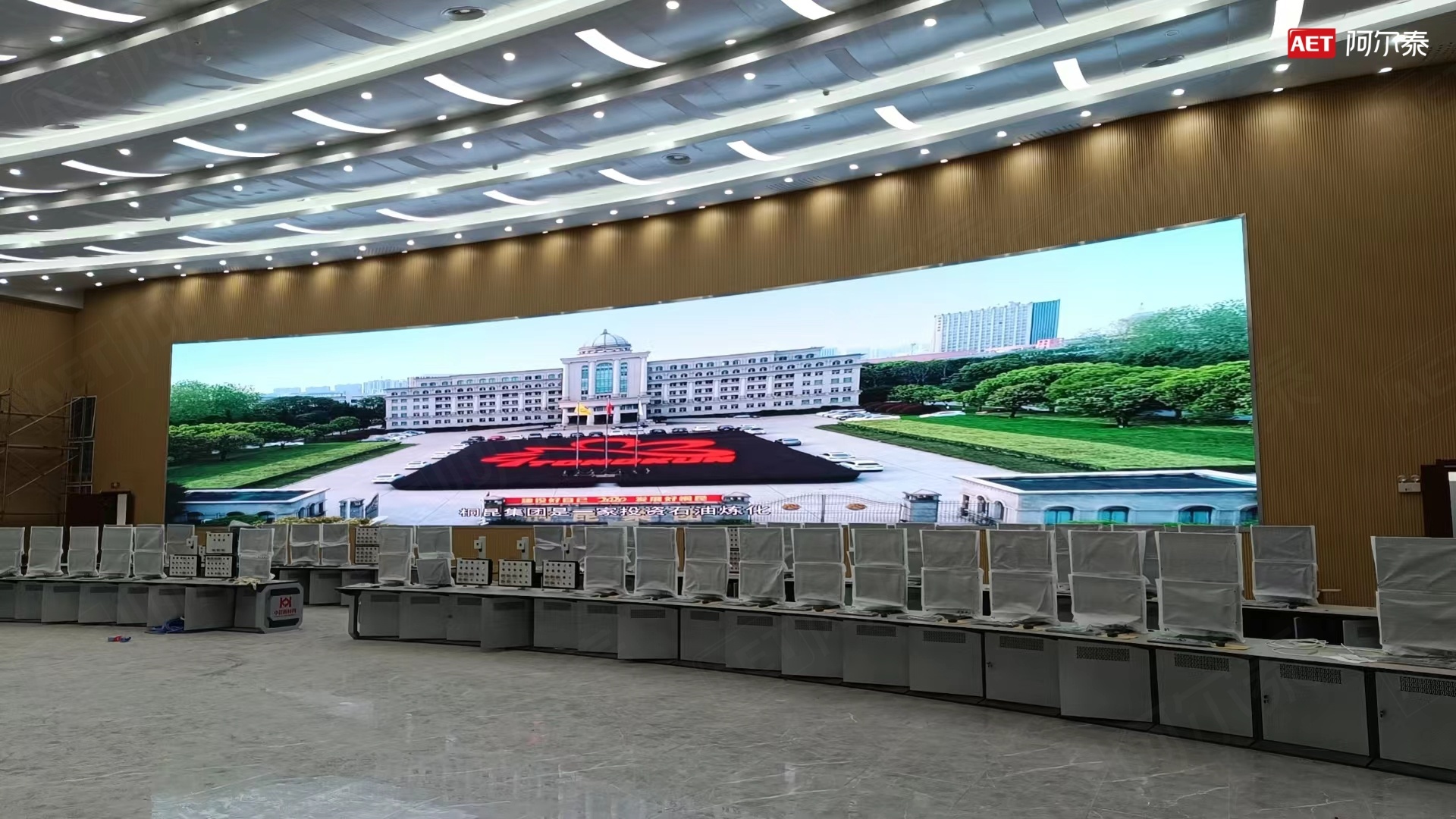
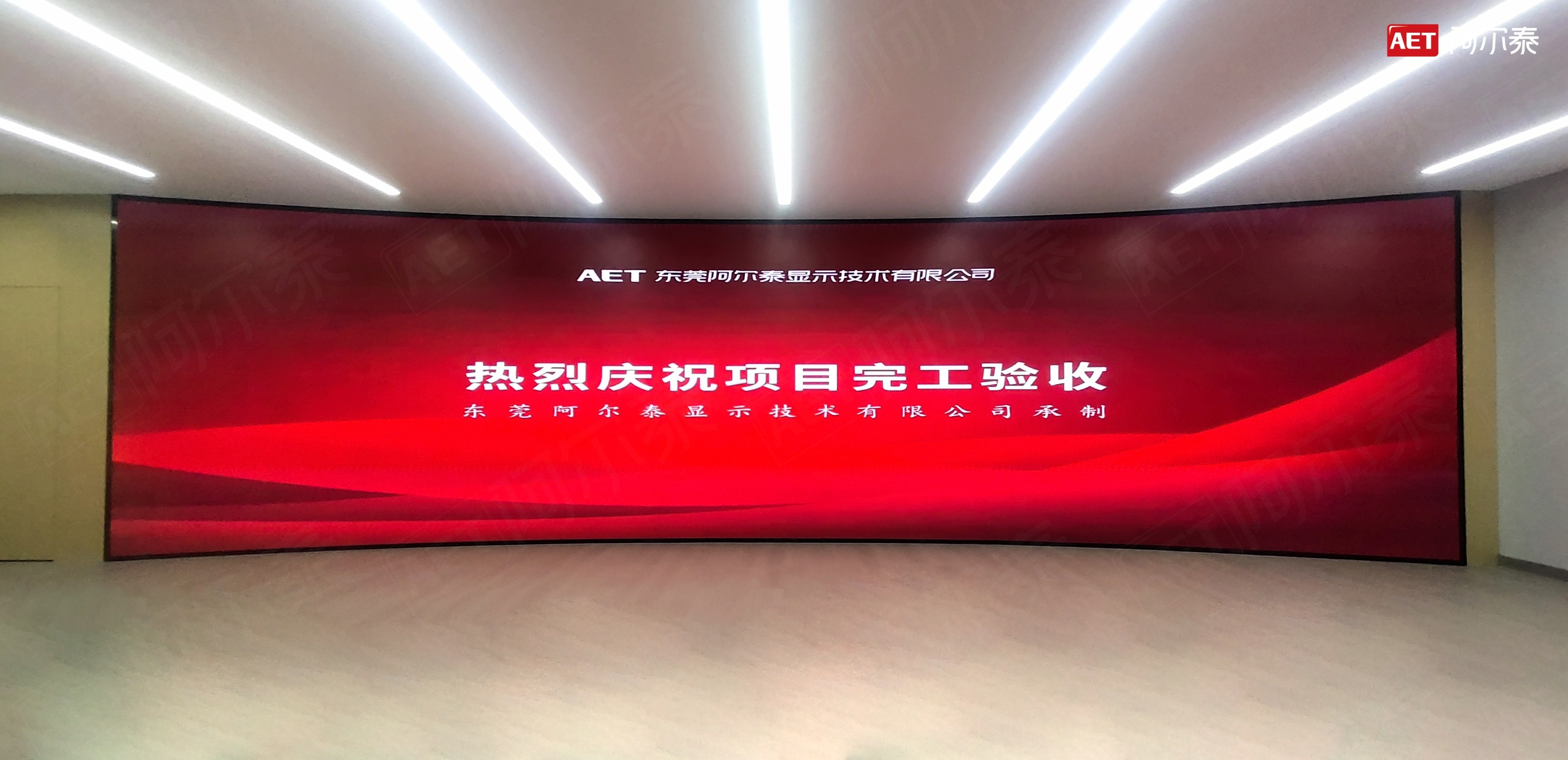
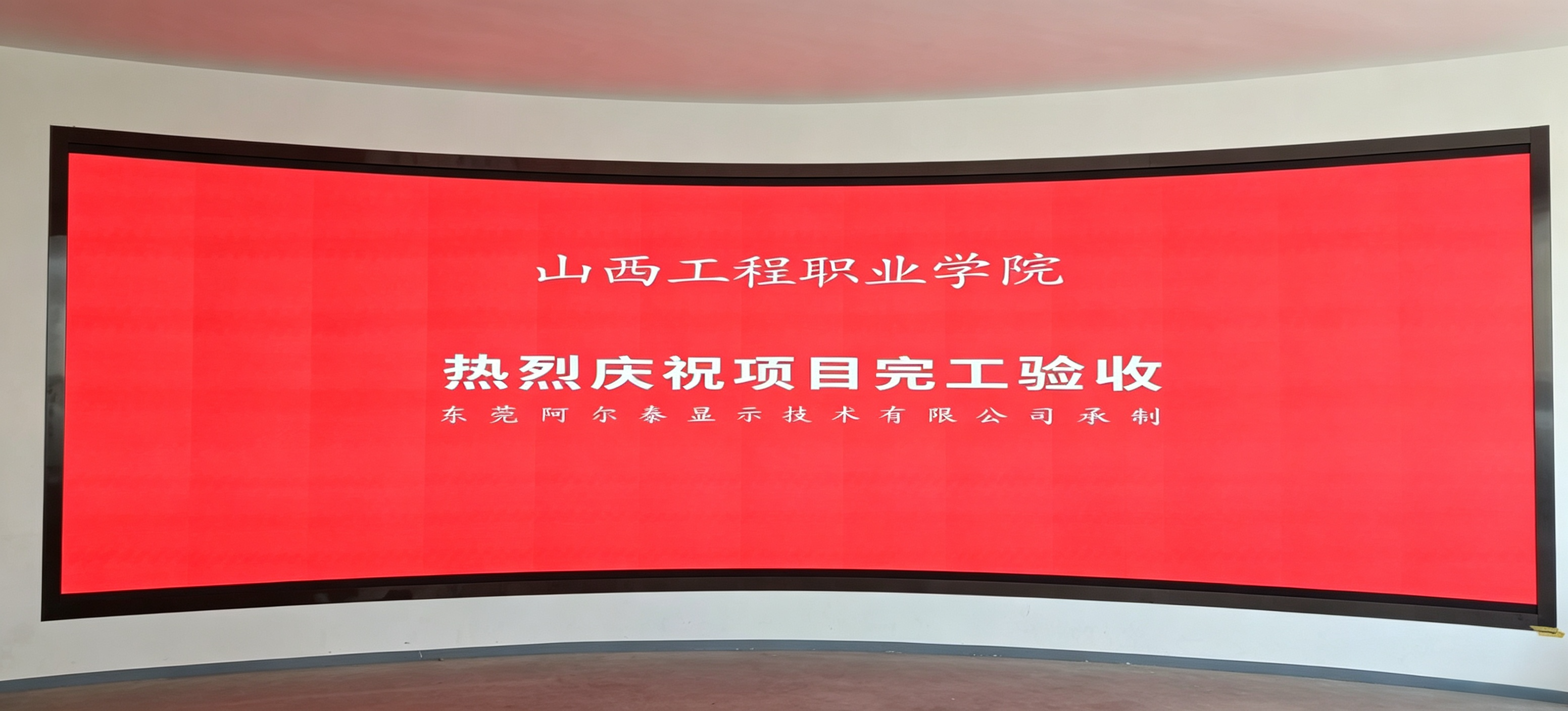
The full flip-chip COB NX series with curved cabinets has become the standard choice here. It sits behind the National Immigration Administration command centre, the Russian federal coordination centre and the Yuncheng smart-city operations centre, as well as large industrial monitoring rooms across Shanxi.
Exhibition and Retail: Growing Out of the Wall
An exhibition is a story, and a curved screen earns its place by becoming part of how the space tells it. The visitor is not looking at a panel; they have stepped into a scene.
In museums the approach is to let the screen grow along the wall, the column and the corner — integrated rather than applied. In car showrooms and flagship retail the curve follows the building line and doubles as an interior element, while custom-shape capability frees the designer from the rectangle.
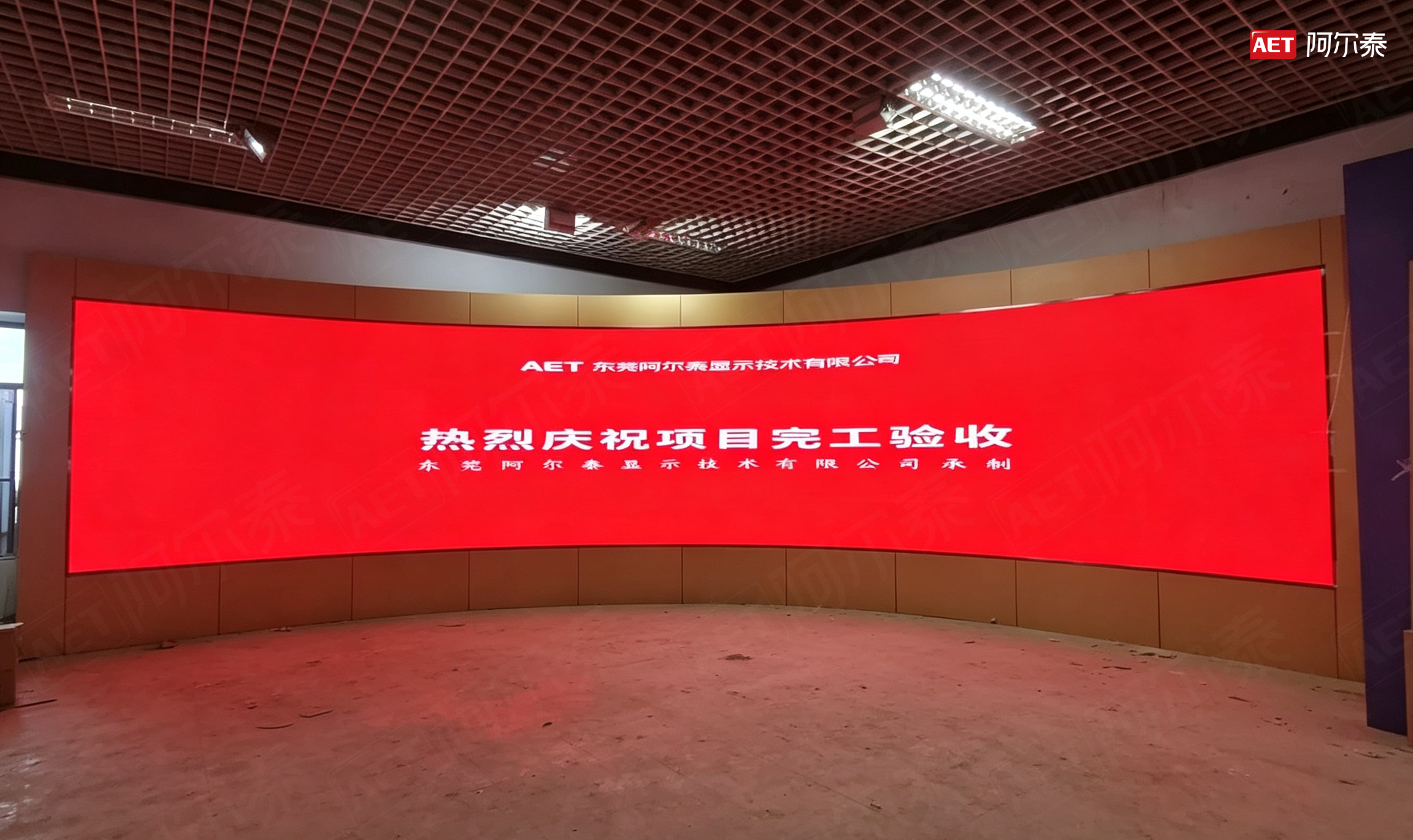
In Heilongjiang, the Ma Hengchang Exhibition Hall uses the curve to roll a dense industrial history around the visitor — standing in front of it feels like being enclosed by time.
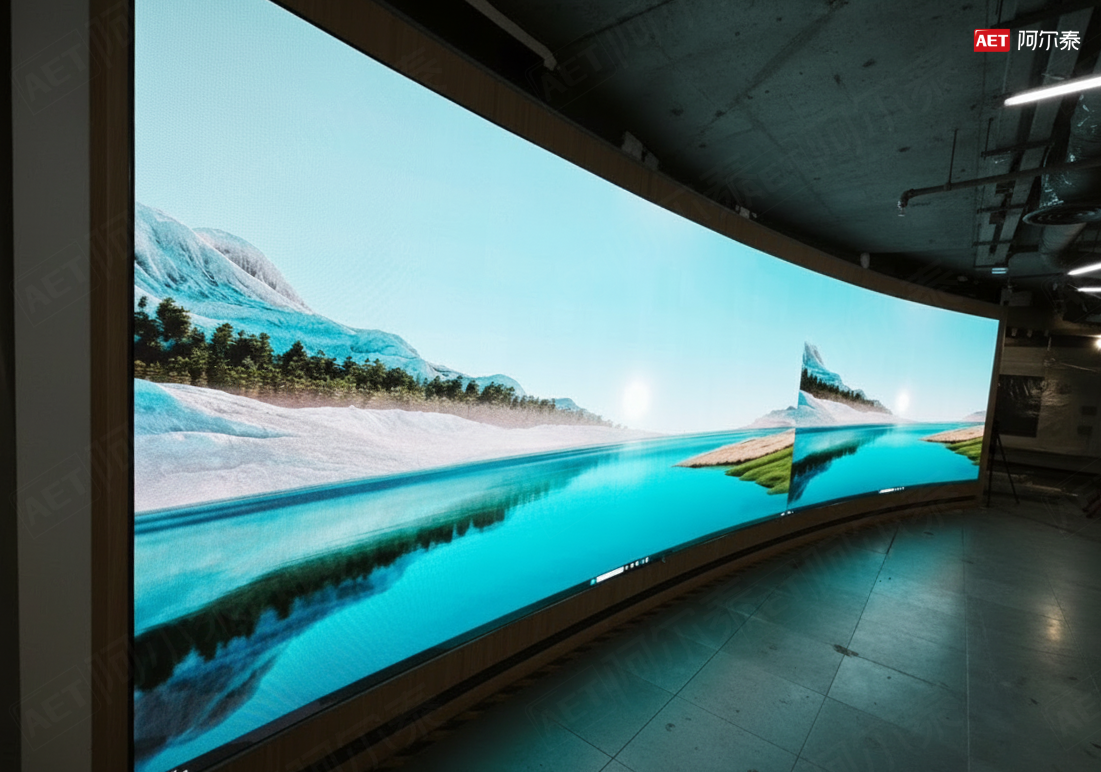
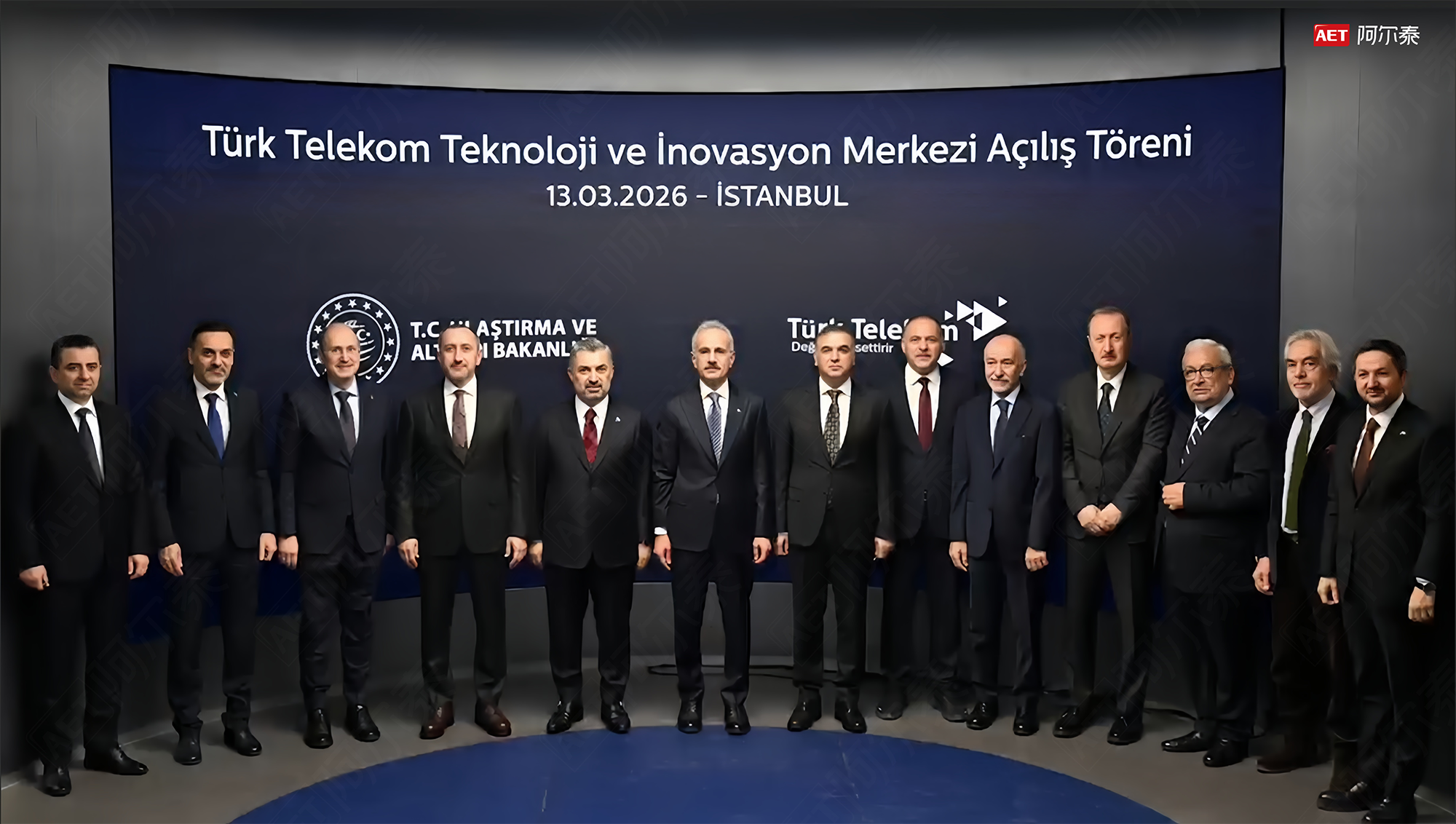
The Hong Kong Housing Society showroom bends its property data into an elegant arc. The Turk Telekom centre pairs curved and flat surfaces into a single technology wall.
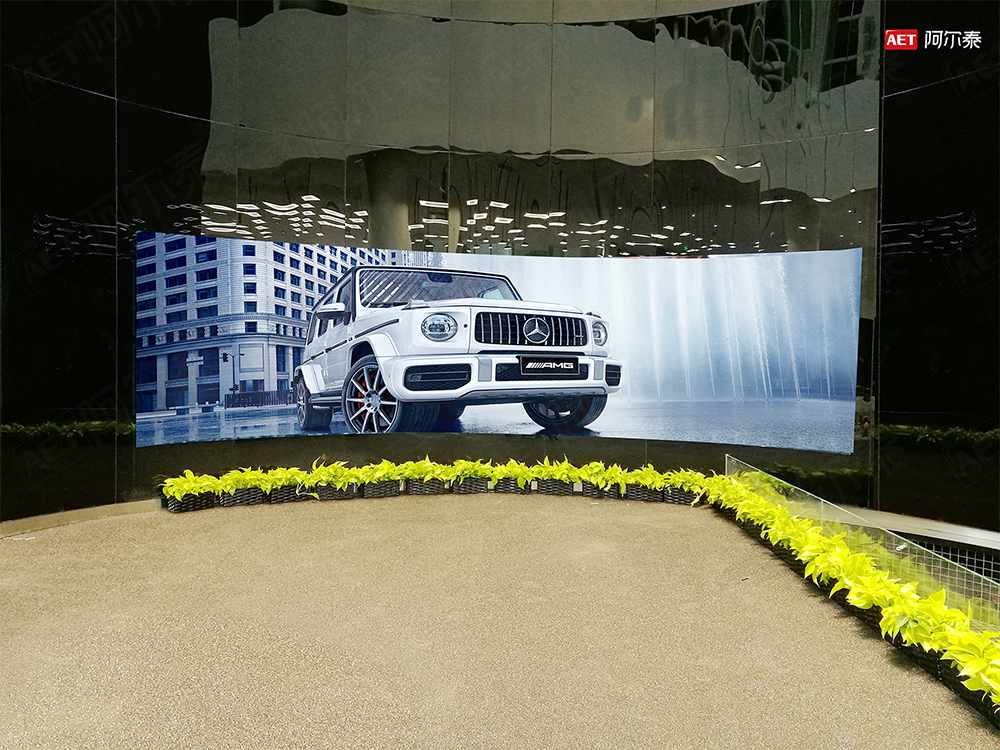
In a Beijing Mercedes-Benz showroom the curve echoes the lines of the cars on the floor, so the brand reads as part of the room rather than as signage.
Entertainment: Immersion You Can Stand Inside
Experience is the product in entertainment venues, and a curved screen manufactures immersion physically — when the audience cannot find the edge of the display, they stop measuring the room.
A very large radius wraps the audience in content. High resolution keeps detail readable at close range, and custom-shape capability removes the screen from the list of constraints on stage design.
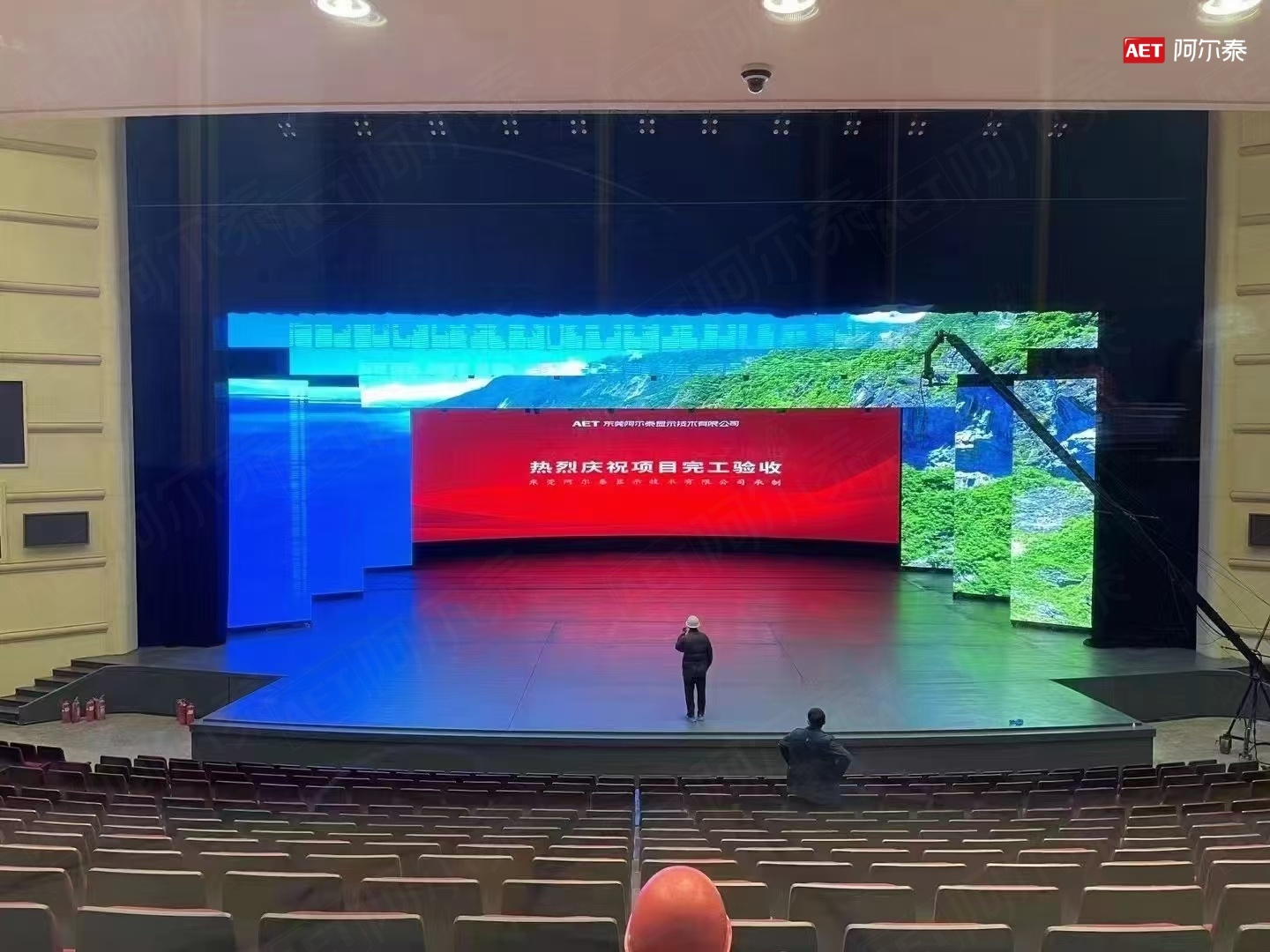
Zibo Broadcasting Grand Theatre runs a P2.5 curved main screen alongside a P3.91 transparent screen, giving every production a high-quality visual bed.
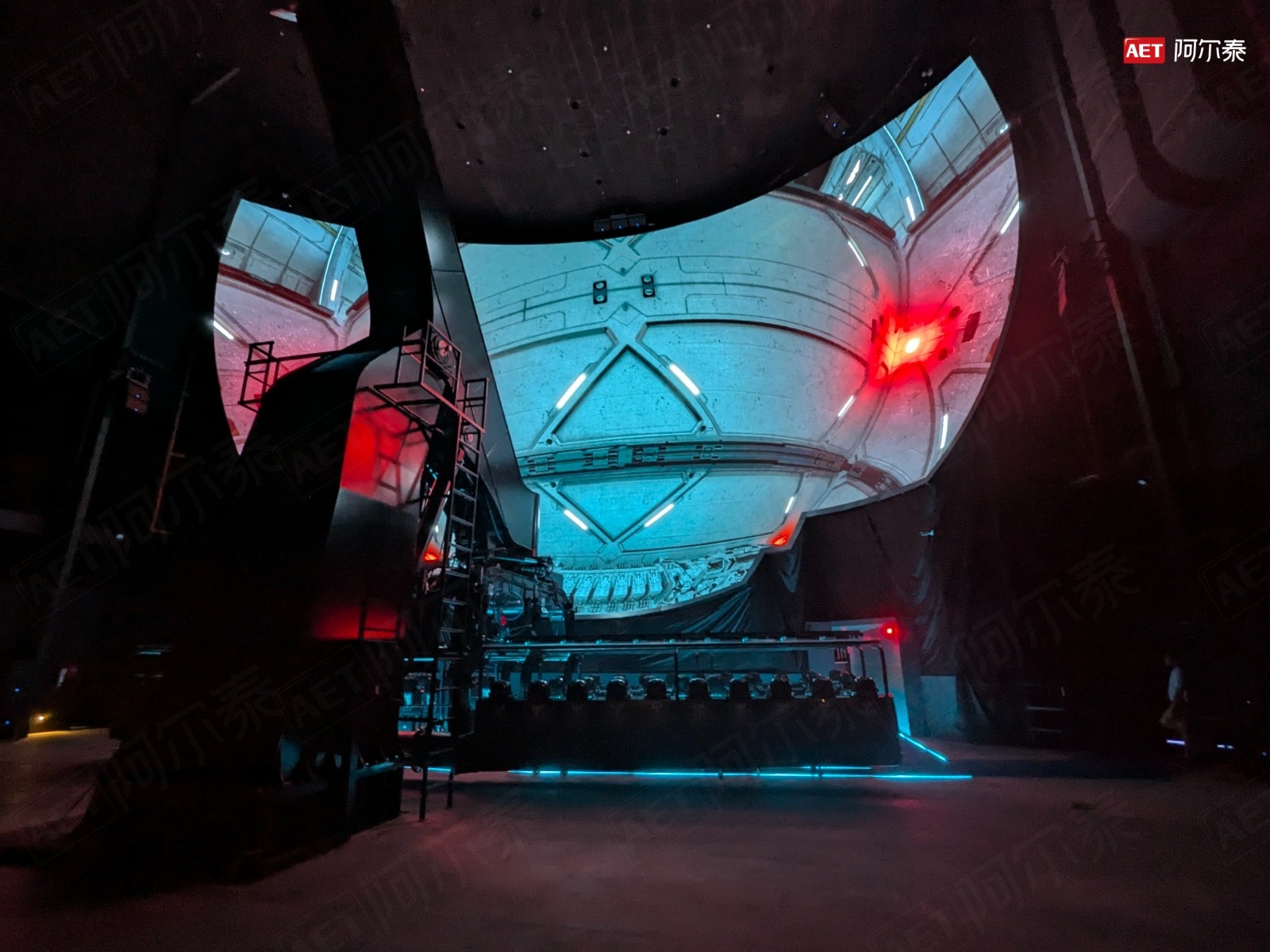
Wonderla in Bengaluru uses AET QCOB to build the largest immersive curved LED surface in India, turning a ride queue into a star-flight sequence.
Curved LED is no longer a special request. It is a standard way of making a display fit a room — and the projects above are what that looks like in practice.
Planning a Curved Installation?
AET supplies curved cabinets and flexible modules across the AT, NX and COB ranges, in flat, curved and custom geometries. Send us the room dimensions and the viewing distance and we will return a cabinet layout.
Related Articles & Insights
AET Opens Global Recruitment Across R&D, Sales and Service
AET has opened a global recruitment round covering display research, engineering, overseas sales and field service.
Five Extremes: How AET Plans to Grow
Minimalist architecture, frontier technology, visual quality, fine pitch and fast service: the five directions AET has organised i...